Kipnuk
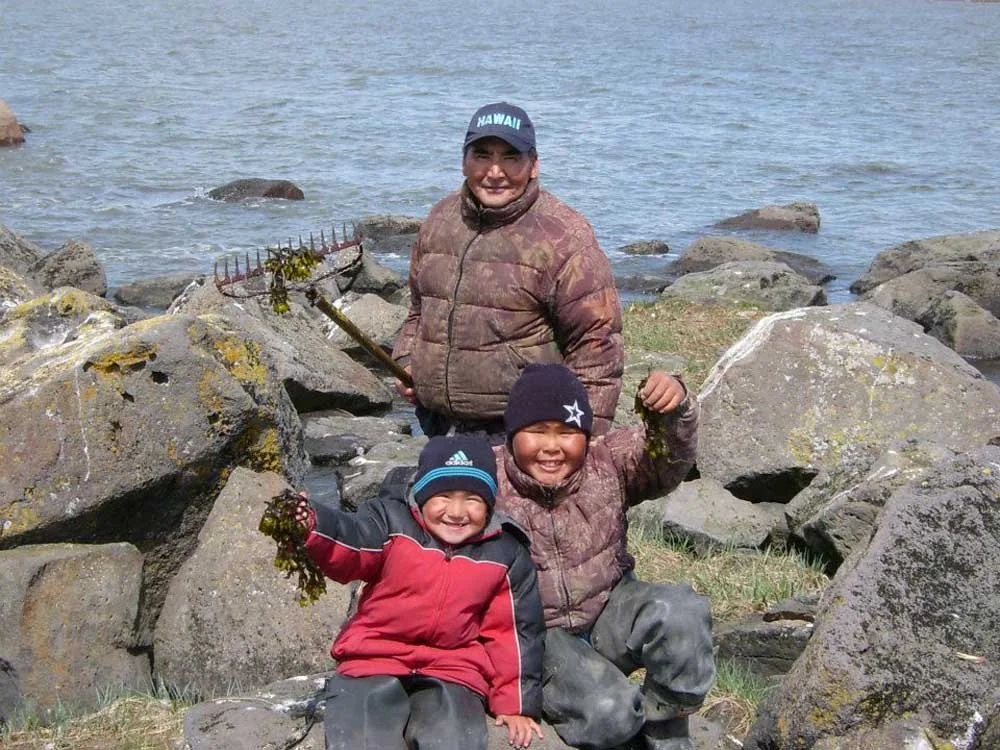
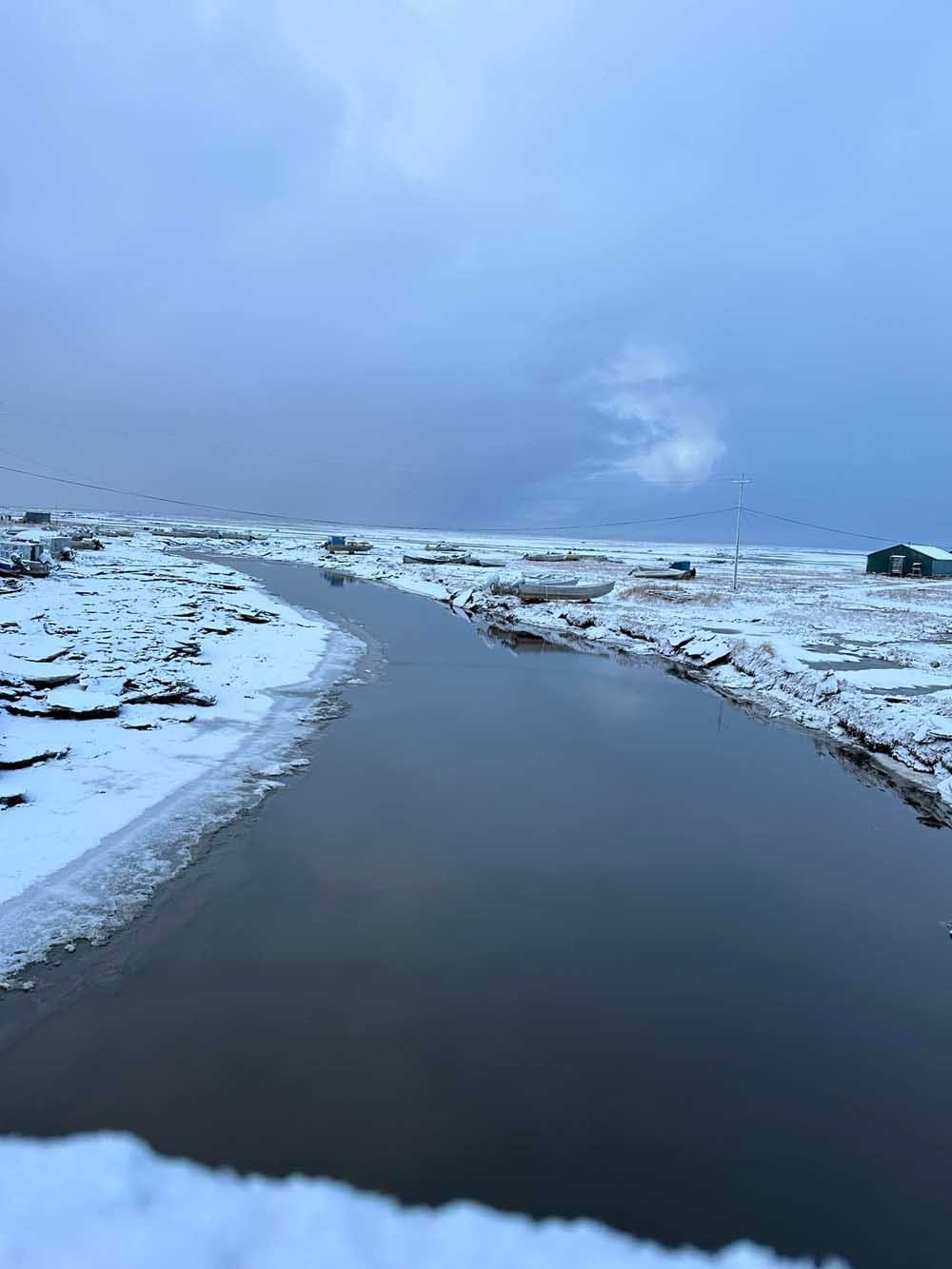
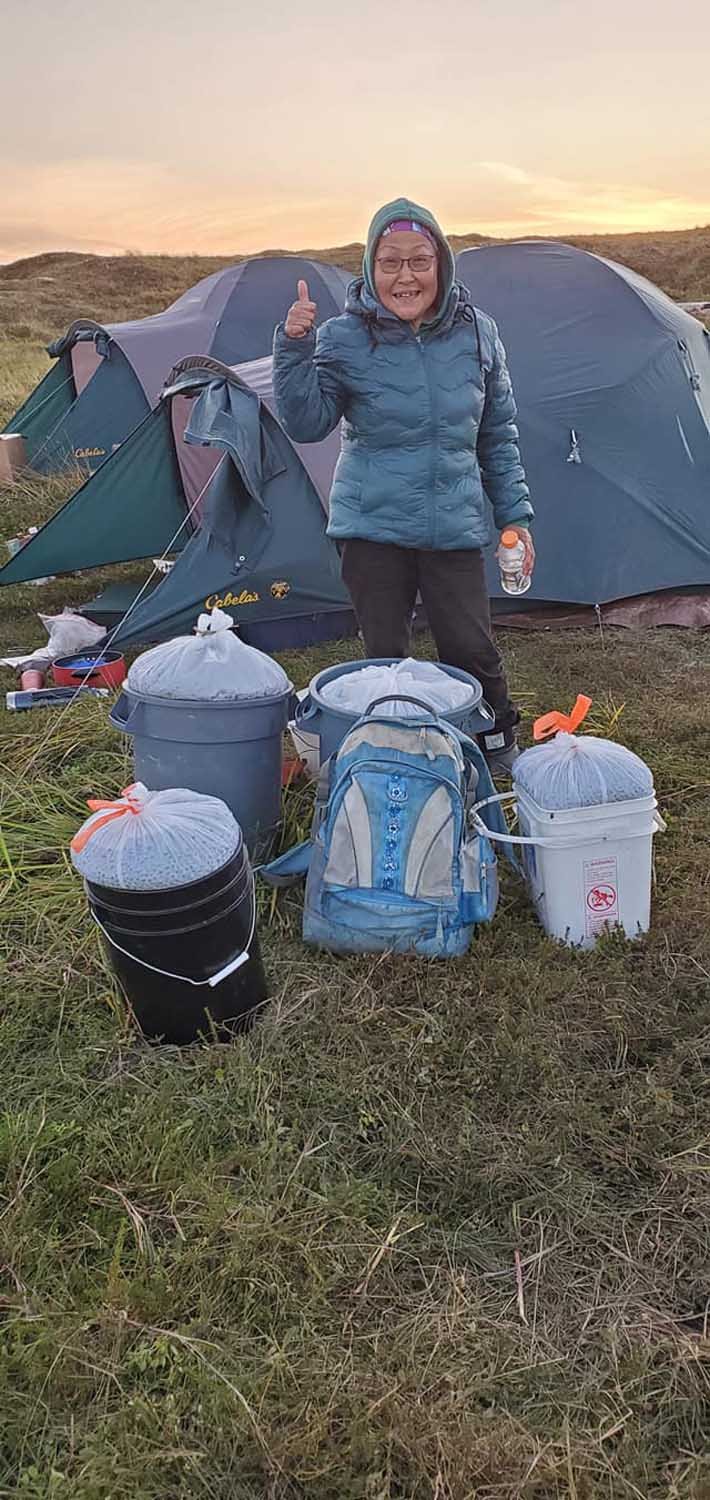
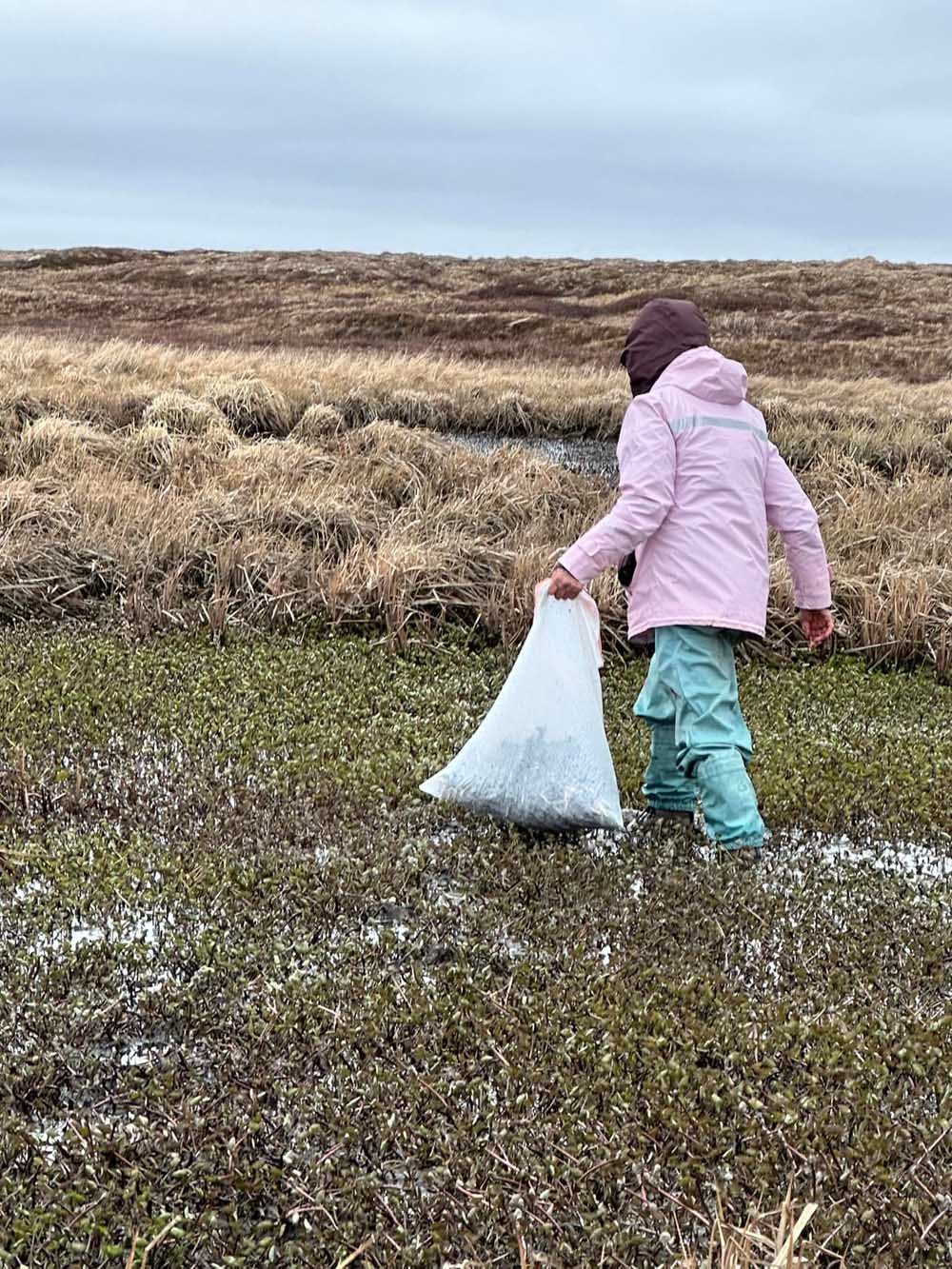
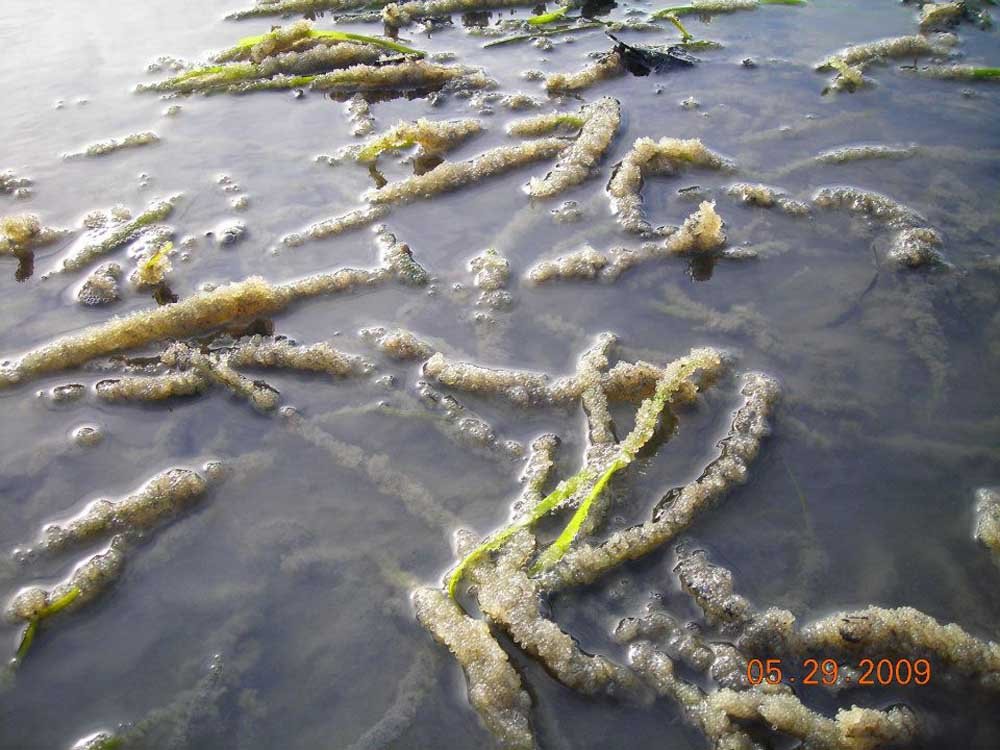
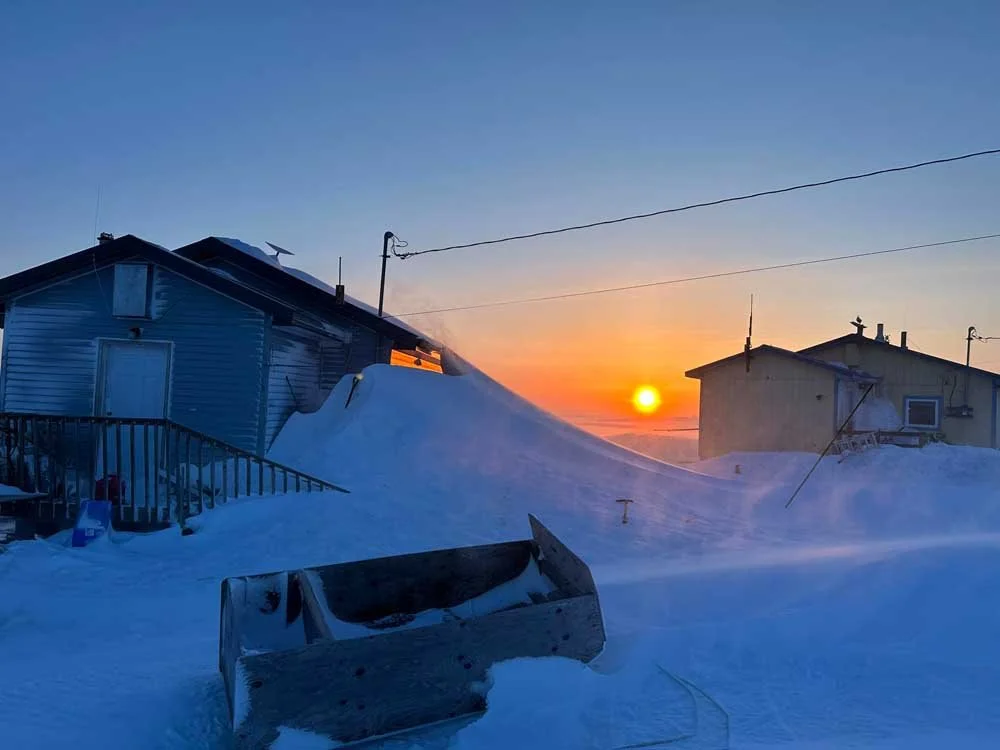
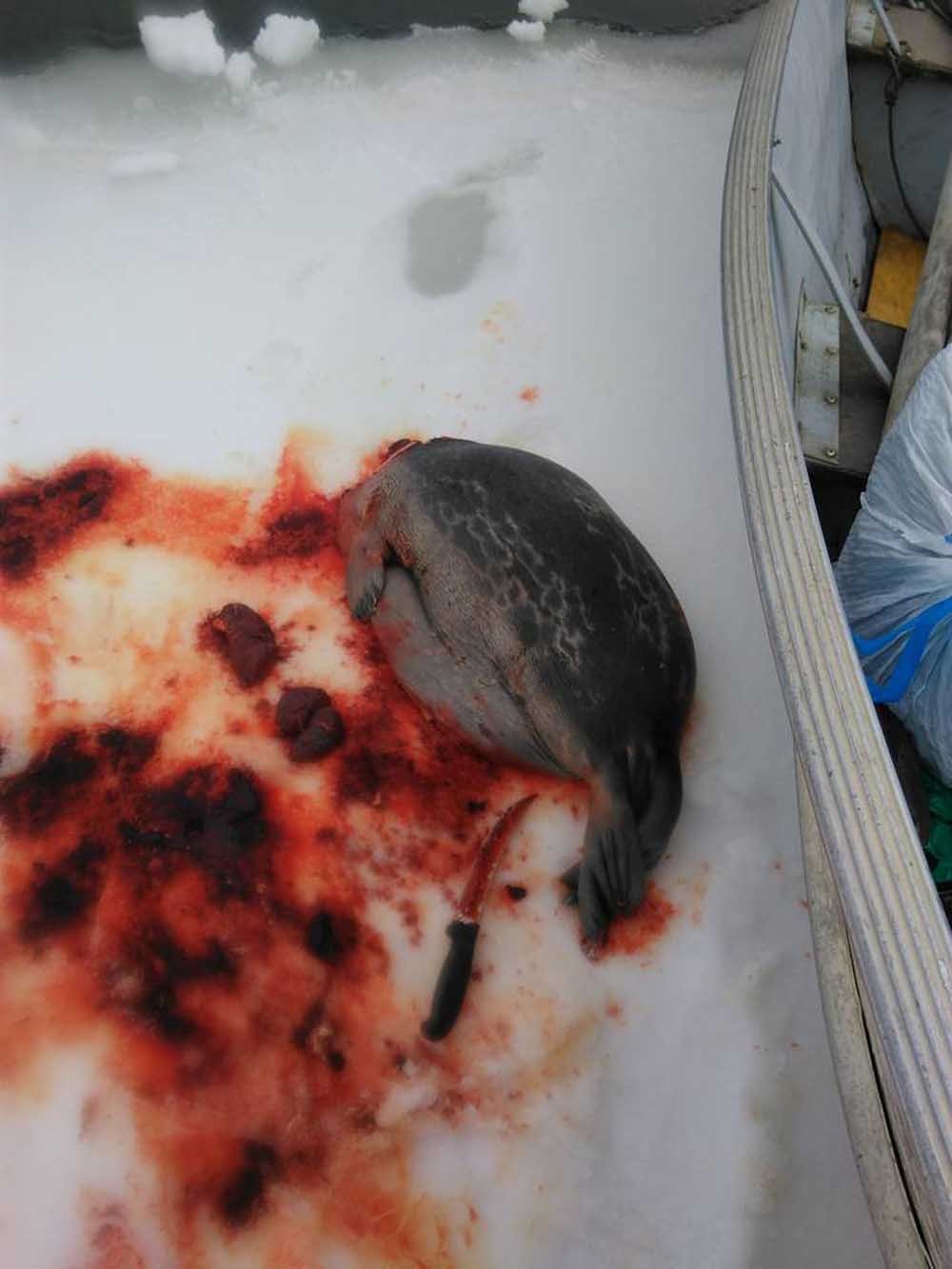
Kipnuk (Qipneq), located on the southeast bank of the Kugkaktlik River, about four miles upriver from the Bering Sea on the Yukon-Kuskokwim Delta, is home to the Native Village of Kipnuk, a federally recognized Tribe. The village has approximately 974 residents, and is a subsistence-based community, with community members relying on subsistence activities for food security and for their cultural identity.
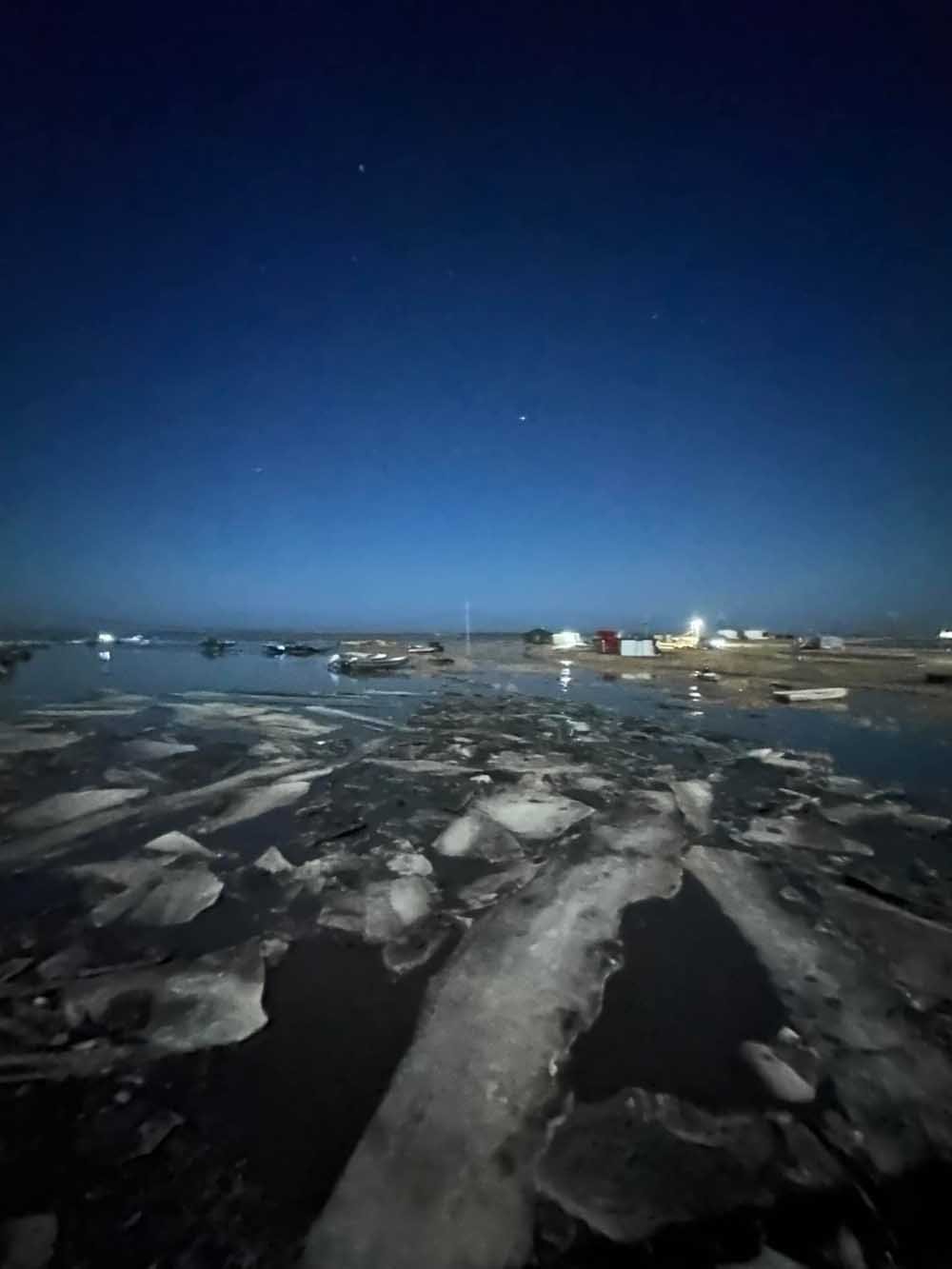
Flooding, erosion, permafrost thaw, and increasingly frequent and severe storm events, present imminent threats to Kipnuk. Flooding occurs regularly, with high-water flooding three to five times each year and major flooding now occuring regularly.
Kipnuk has now experienced 3 federally declared flooding disasters over a period of only 37 months, with each one worse than the previous one. In September 2022, Typhoon Merbok caused extensive flooding, wind, and erosion damage to the village’s critical infrastructure. In August 2024, Kipnuk was again inundated by flooding, with flood levels exceeding that experienced during Typhoon Merbok, causing extensive damages to both public and private property, and prompting the Native Village of Kipnuk to seek and obtain a federal disaster declaration. In October 2025, while Kipnuk was still trying to recover, Typhoon Halong hit the village. Halong brought record-breaking winds and flooding that caused widespread devastation. More than 90% of village infrastructure, including homes, and personal and subsistence property, are either gone entirely or destroyed beyond repair. Floodwaters also caused widespread and extreme contamination of the lands, lakes, river, and ocean, and accelerated permafrost thaw. The lands have been changed, perhaps forever. As a result of the widespread devastation and contamination, the entire community was evacuated and remains evacuated many months later. The devastation of Halong demonstrates that the current village site is no longer safe.
Community members have voted by an overwhelming majority to relocate to higher ground, and the community is seeking a pilot project to allow relocation as the disaster recovery pathway. This will help not only protect the health and safety of community members, but also prevent the waste of financial resources that will result if the community is built back in place to only experience yet another disaster.