Kwigillingok
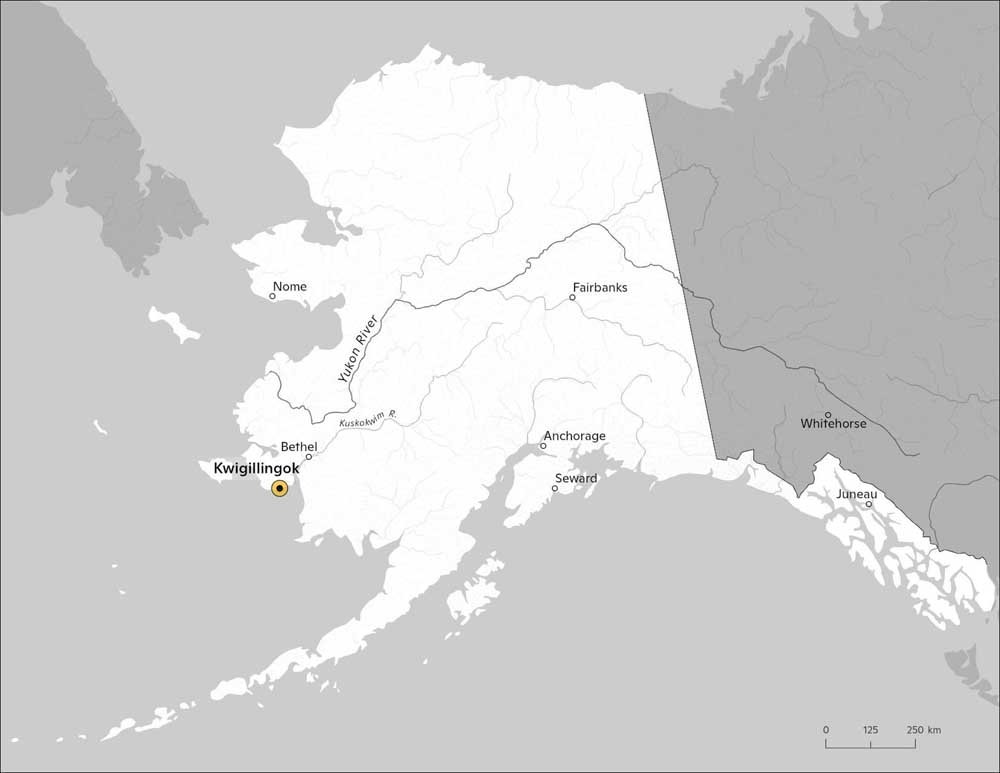
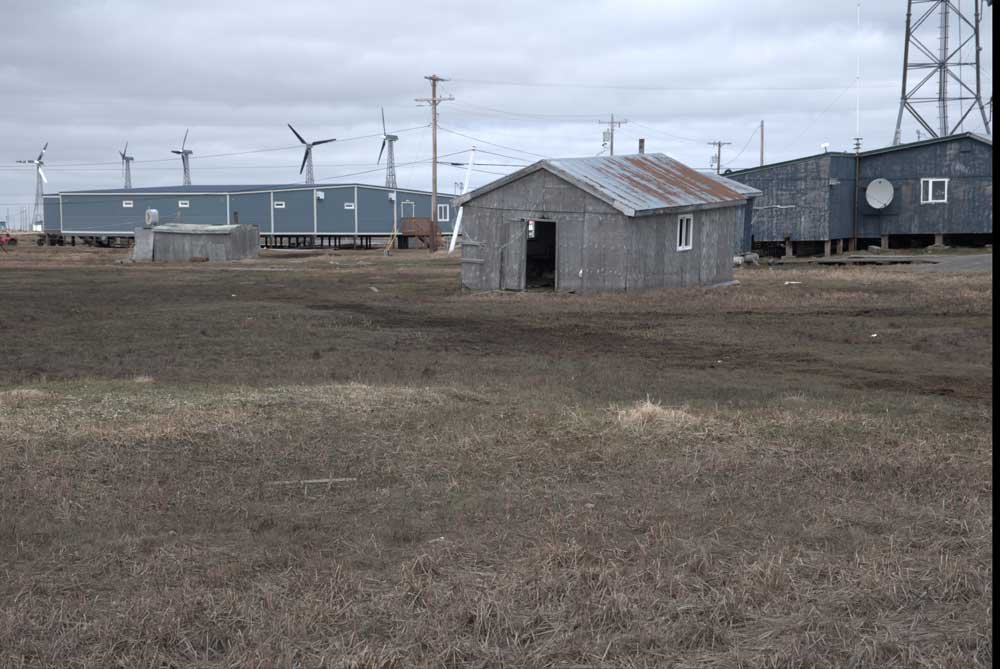
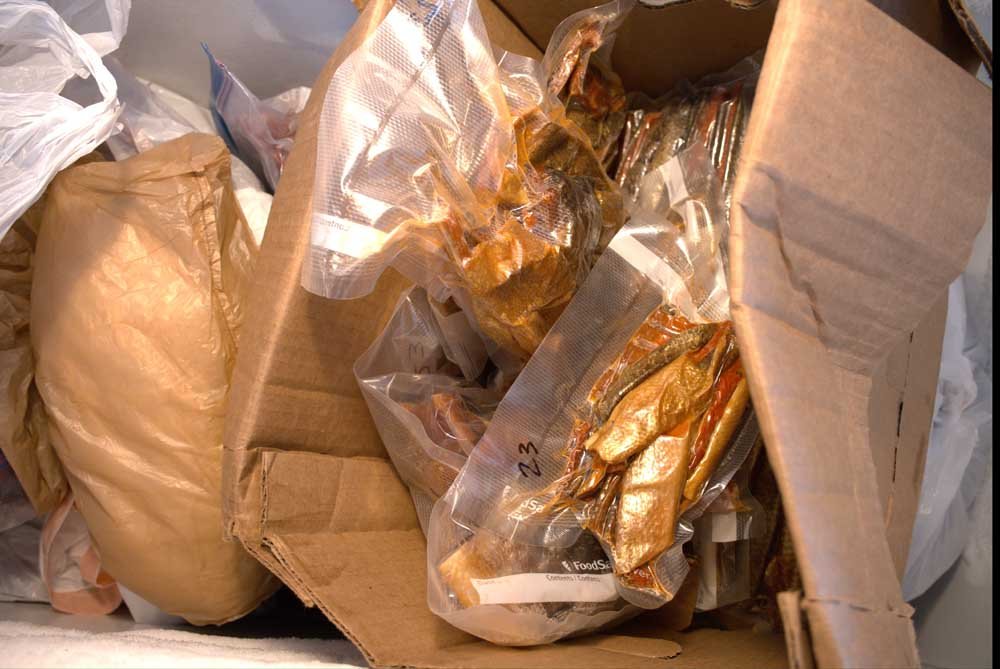
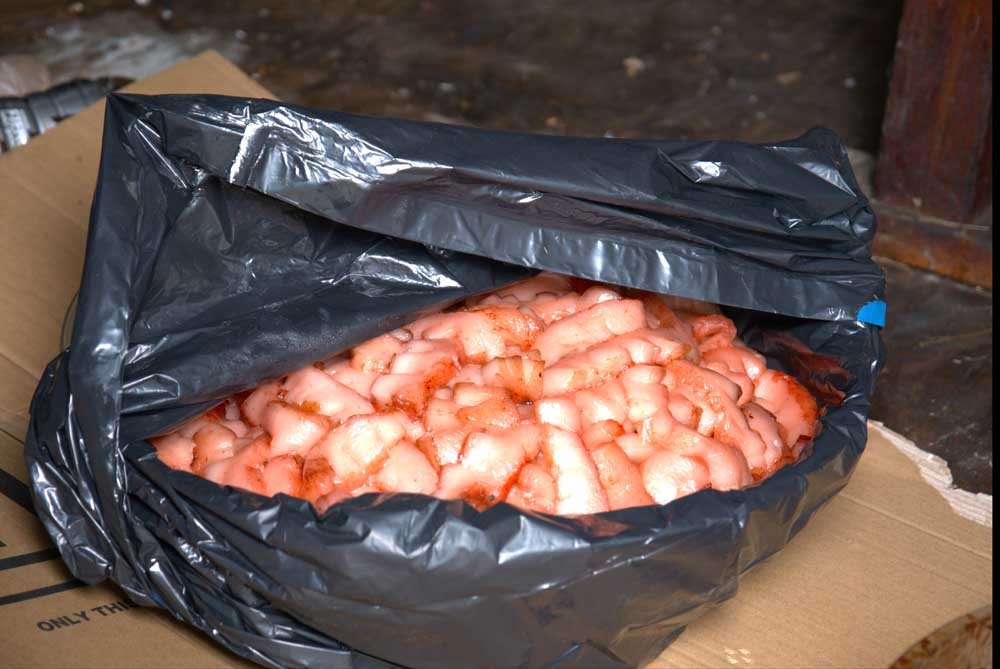
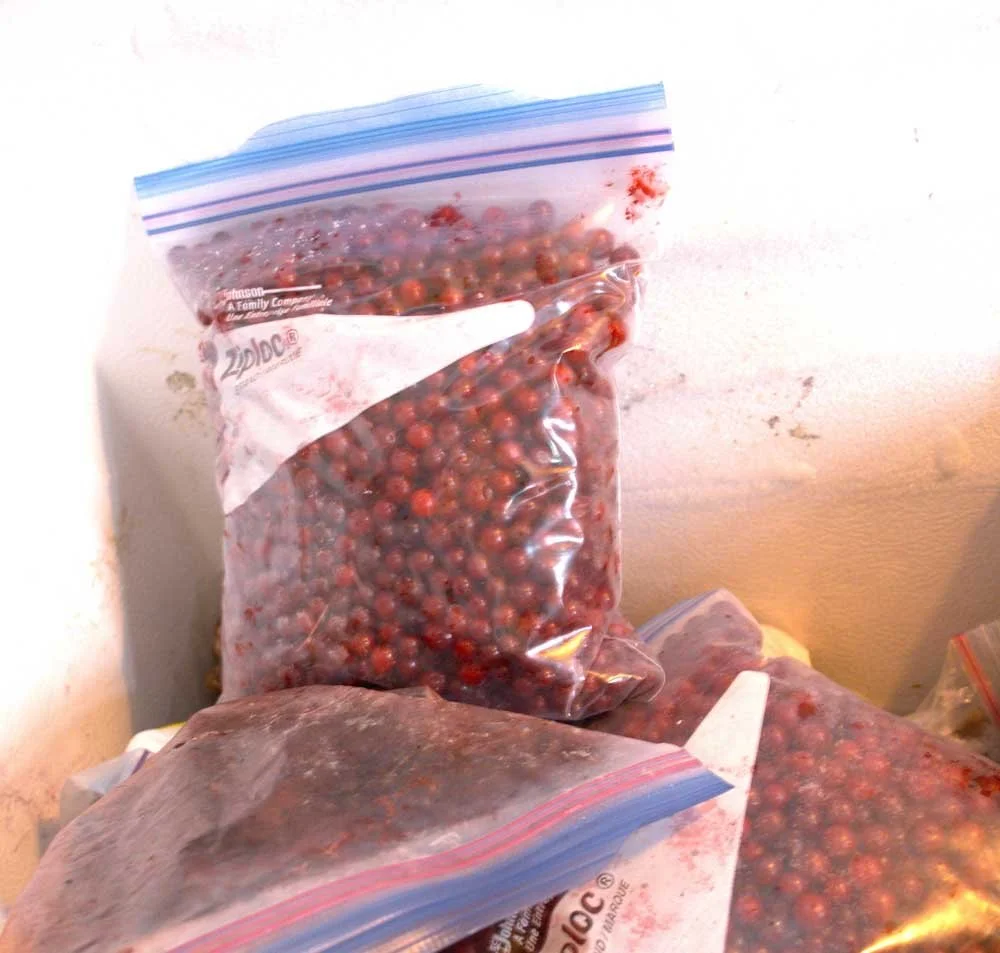
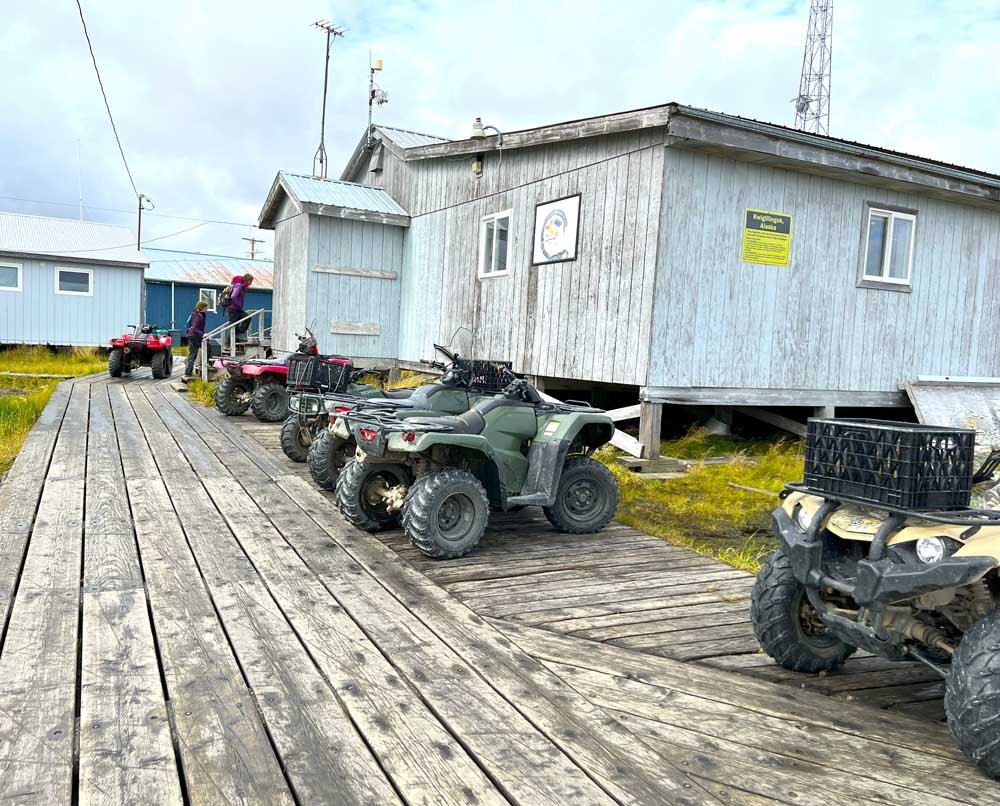
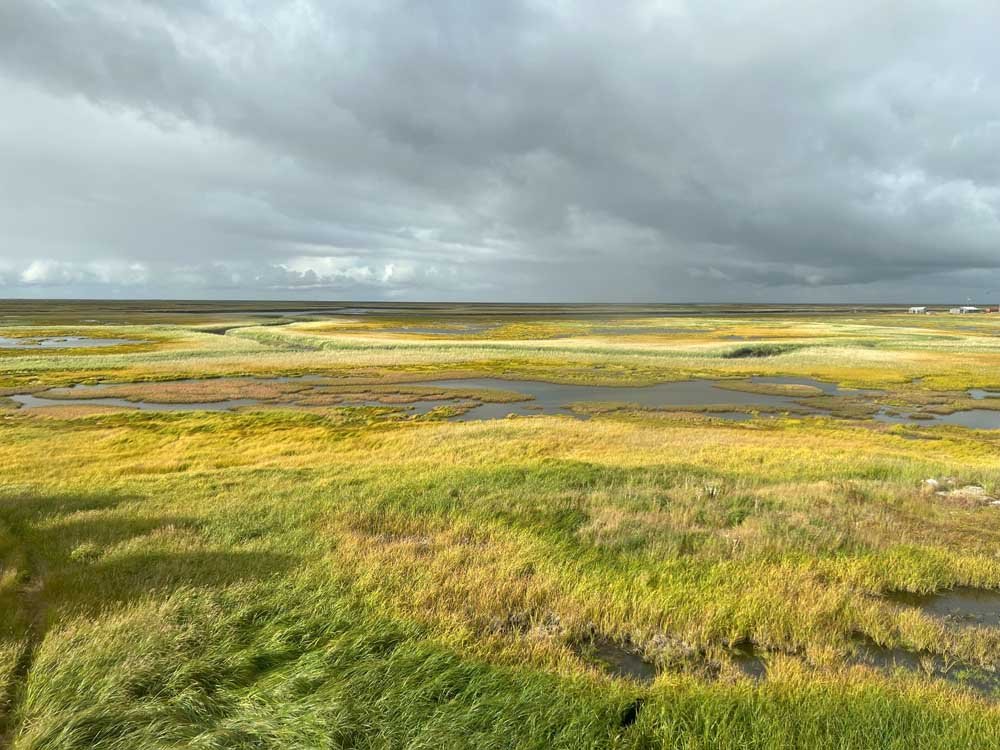
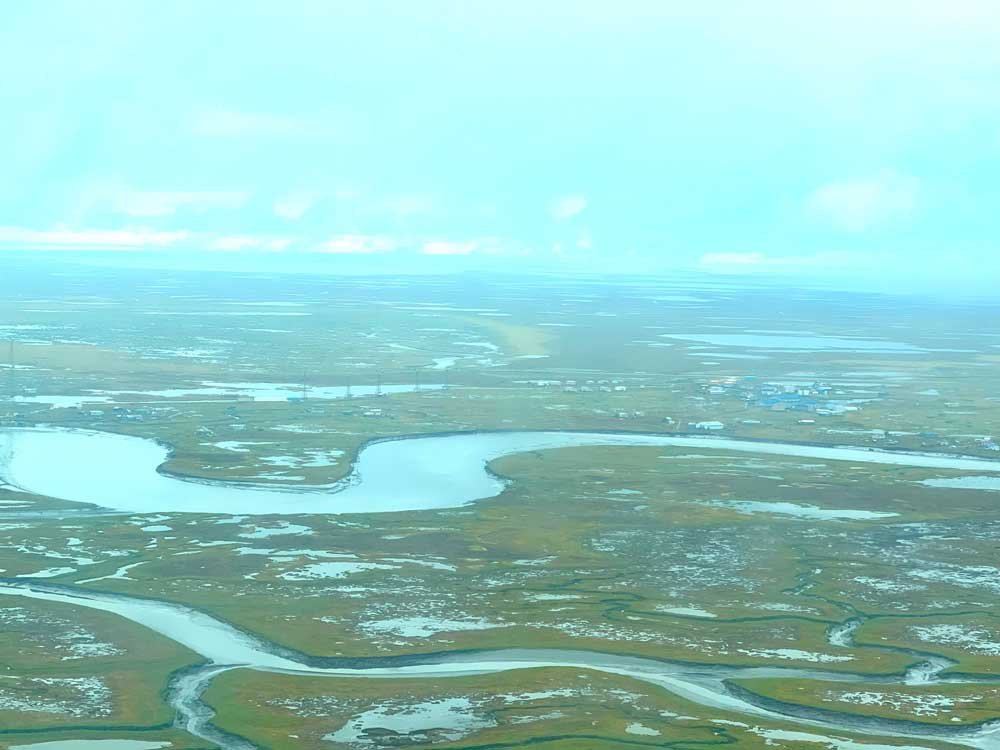
Kwigillingok (Kuigilnguq), located on the Yukon-Kuskokwim Delta on the bank of the Kwigillingok River just a short distance from the Bering Sea, is home to the Native Village of Kwigillingok, a federally recognized Tribe. The village’s 359 residents rely on subsistence activities for food security and as part of their culture and traditional lifestyle.
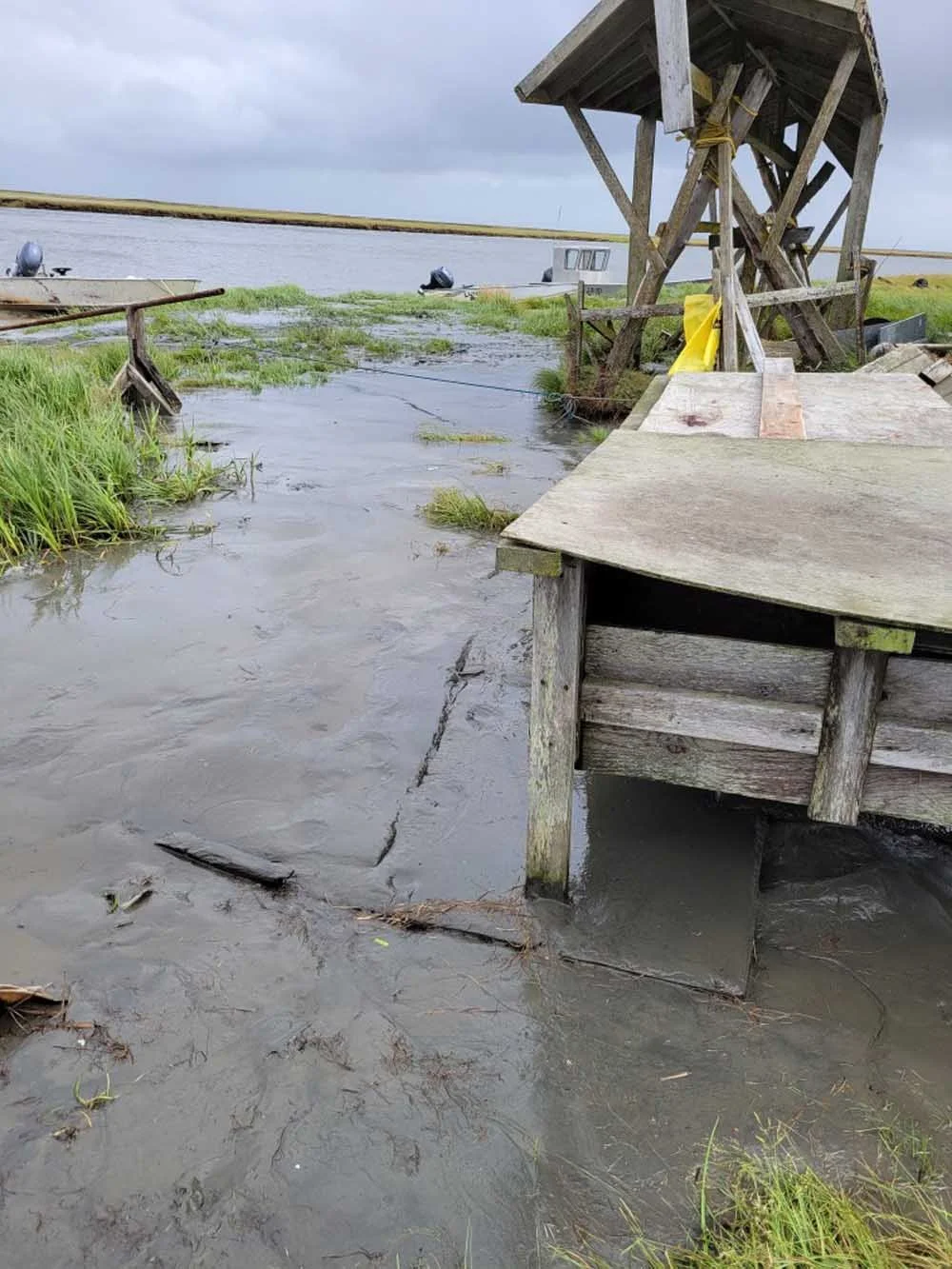
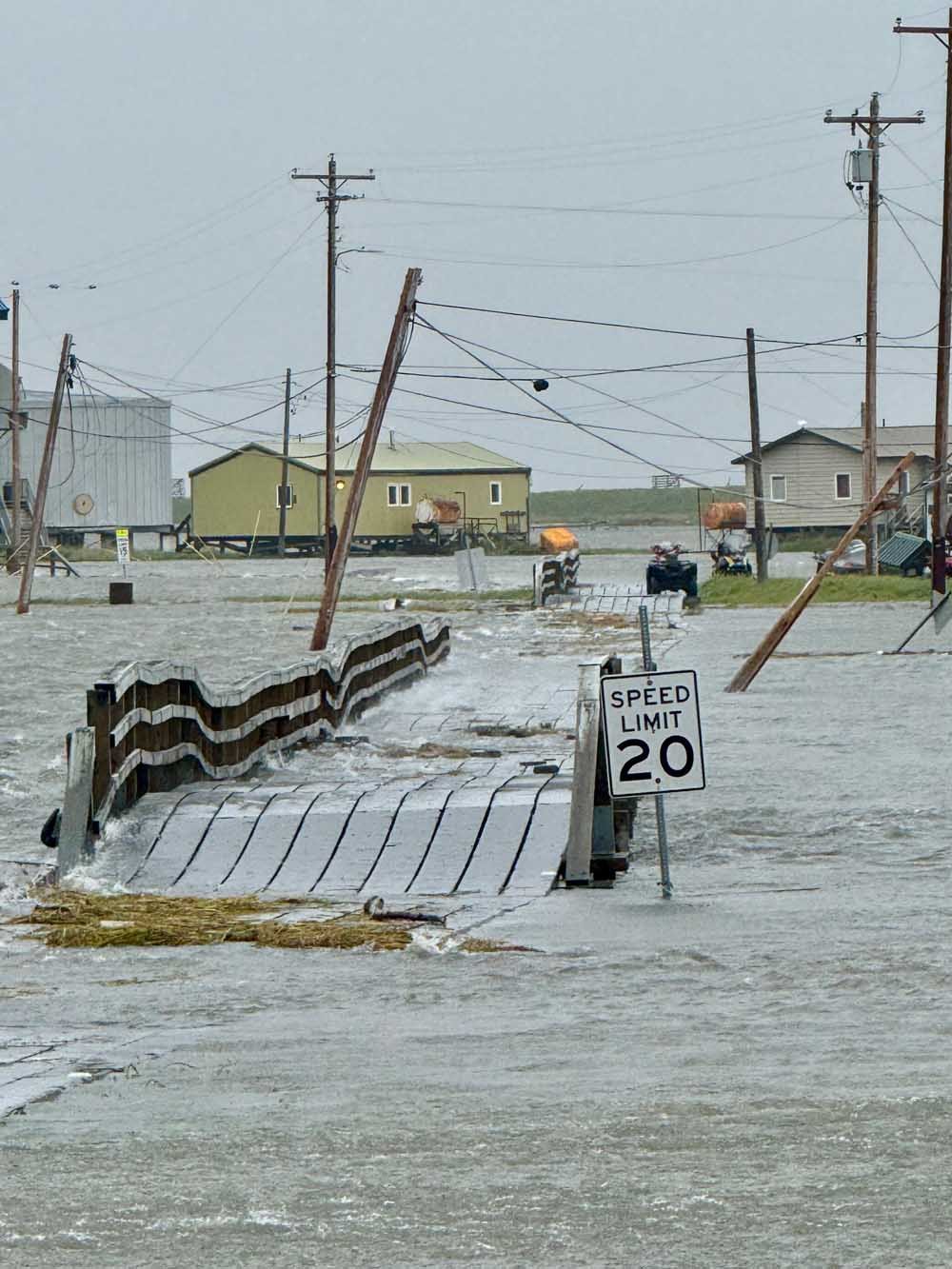
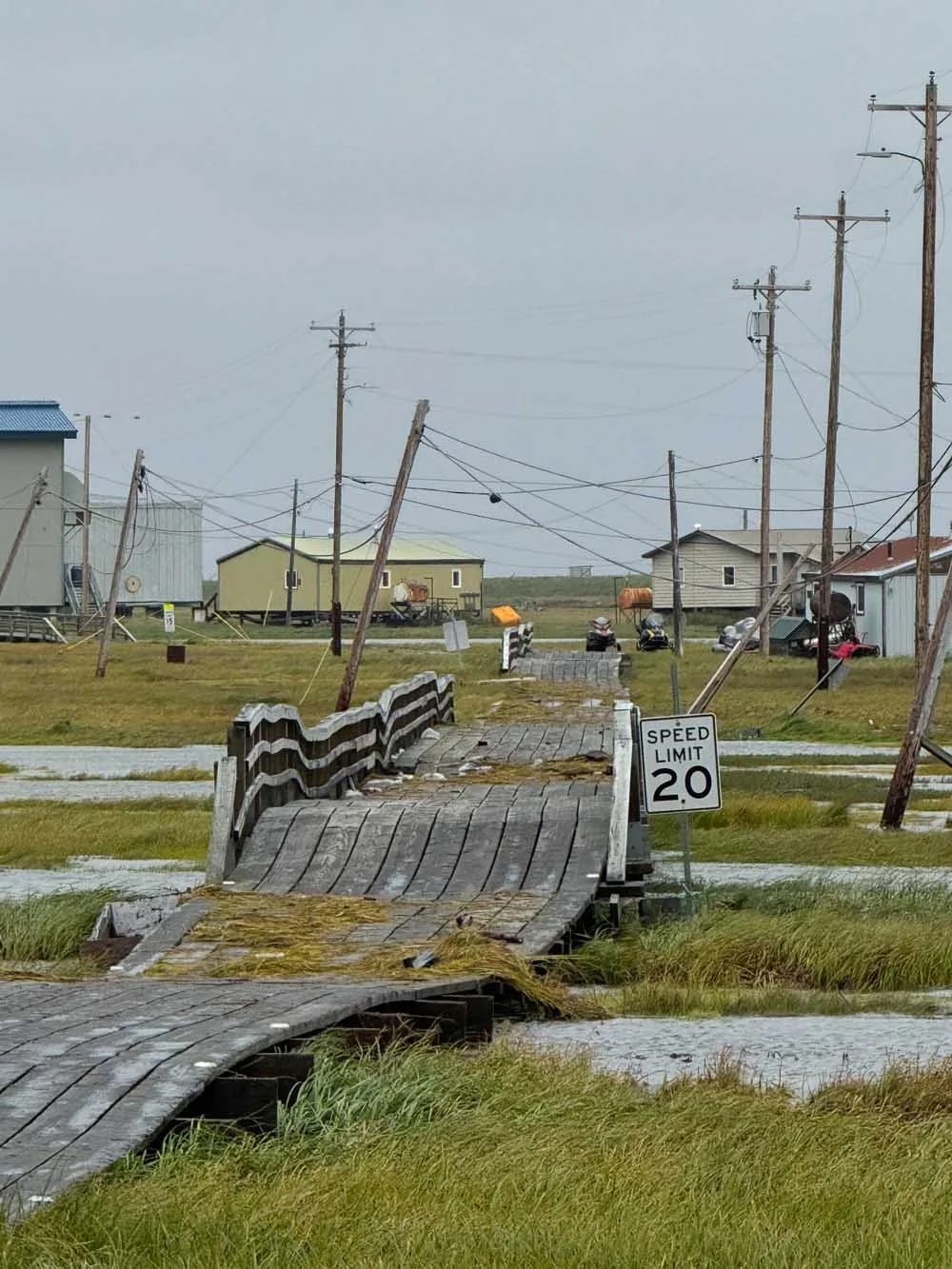
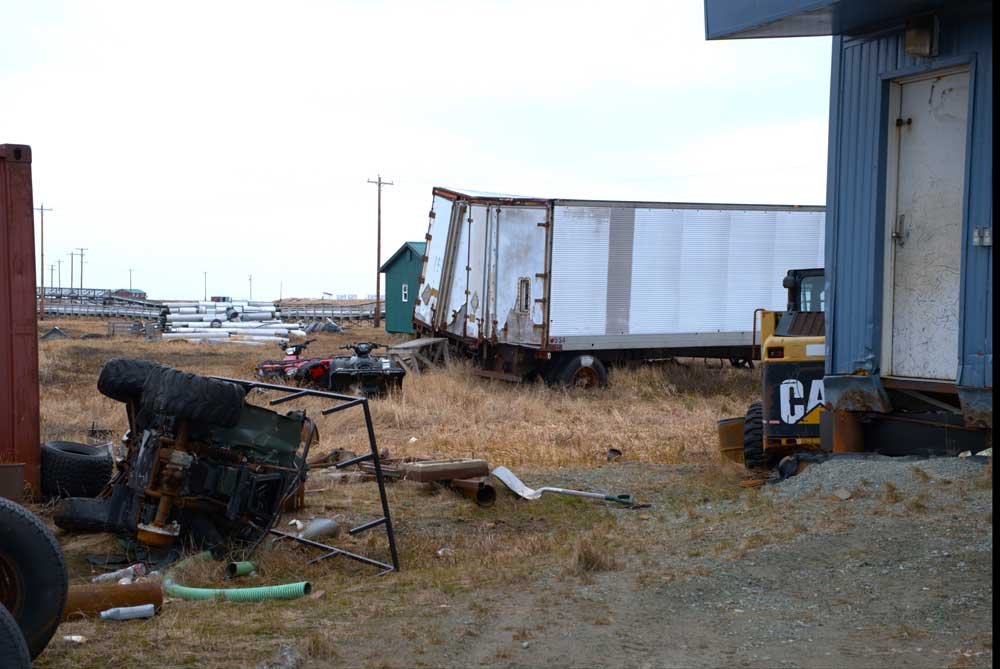
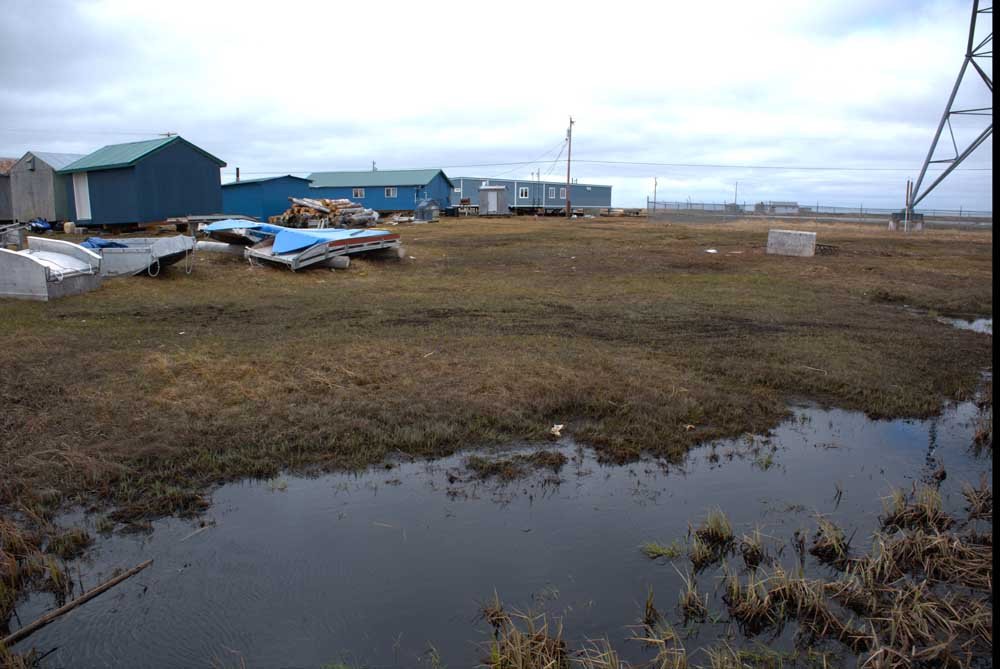
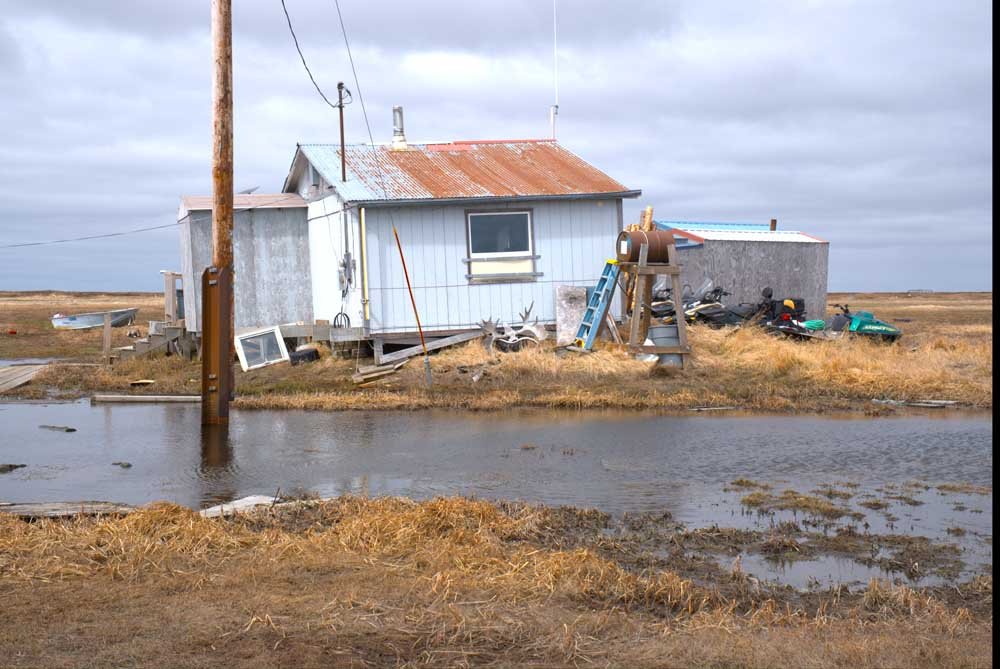
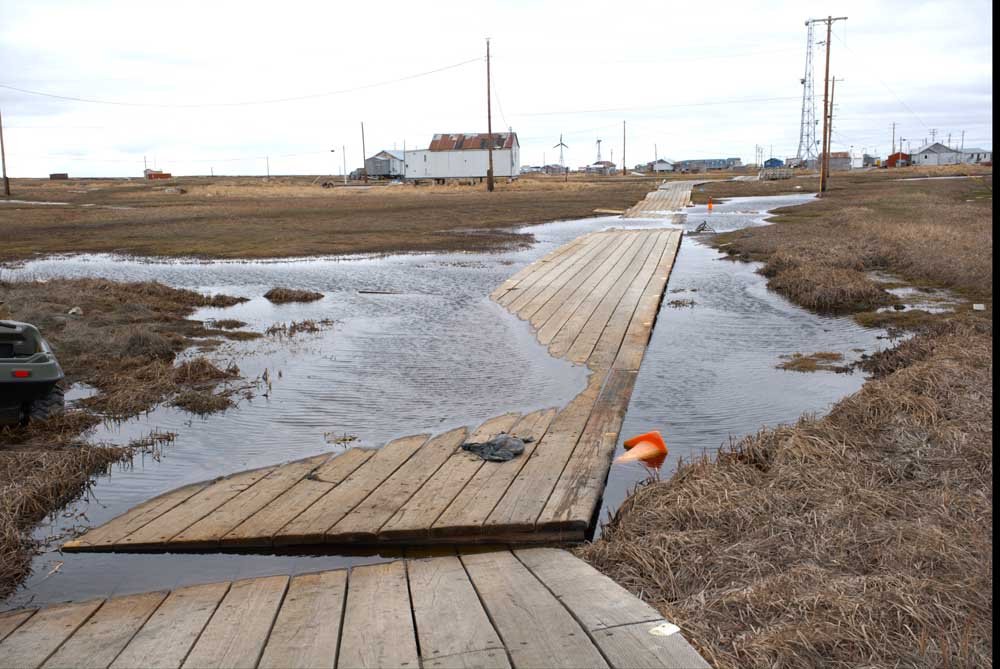
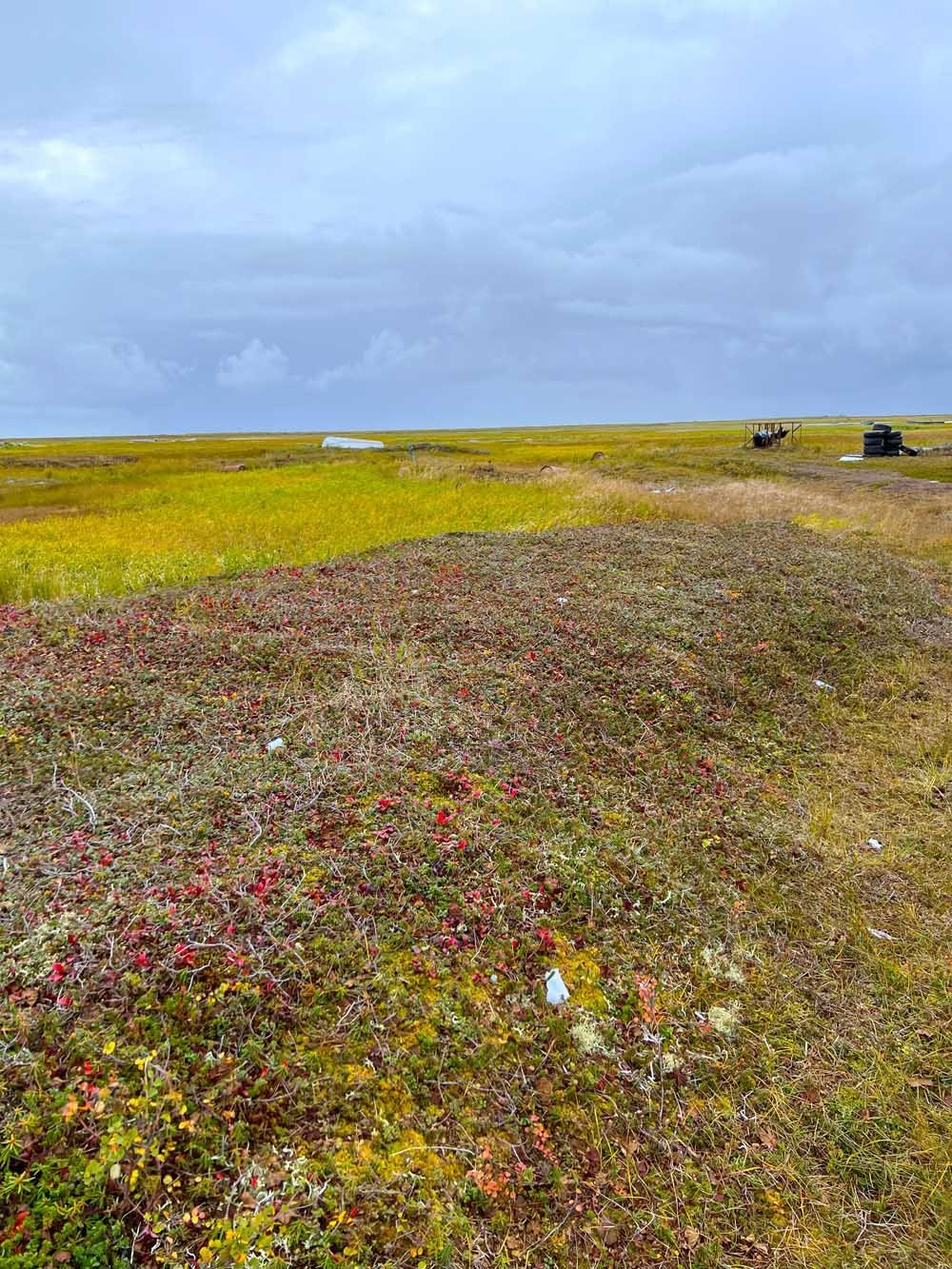
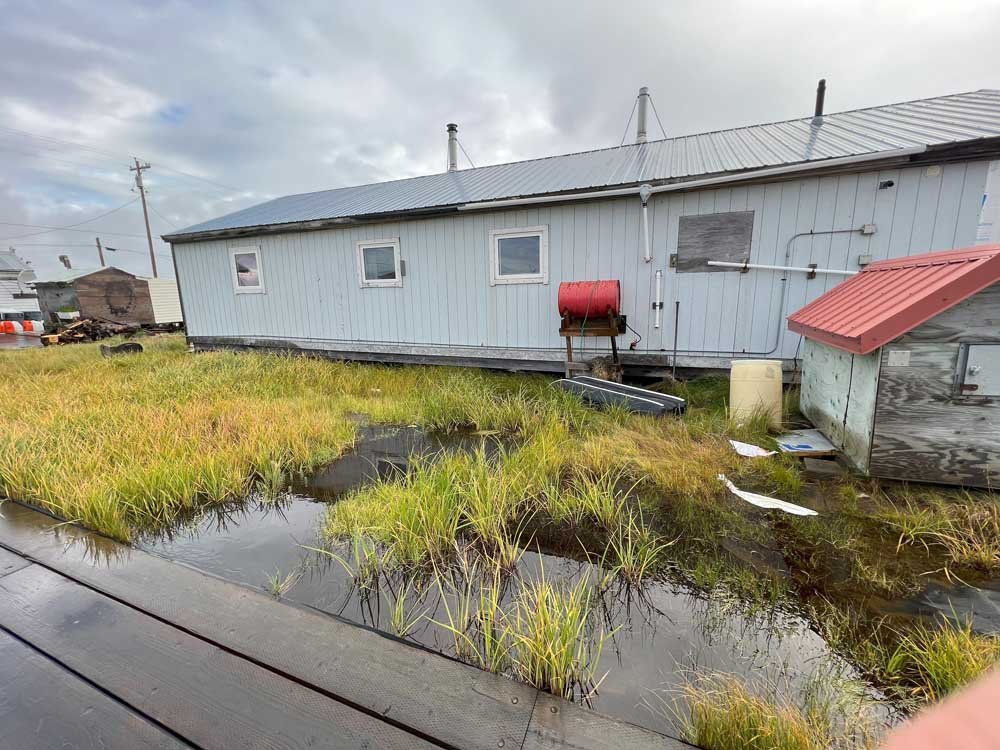
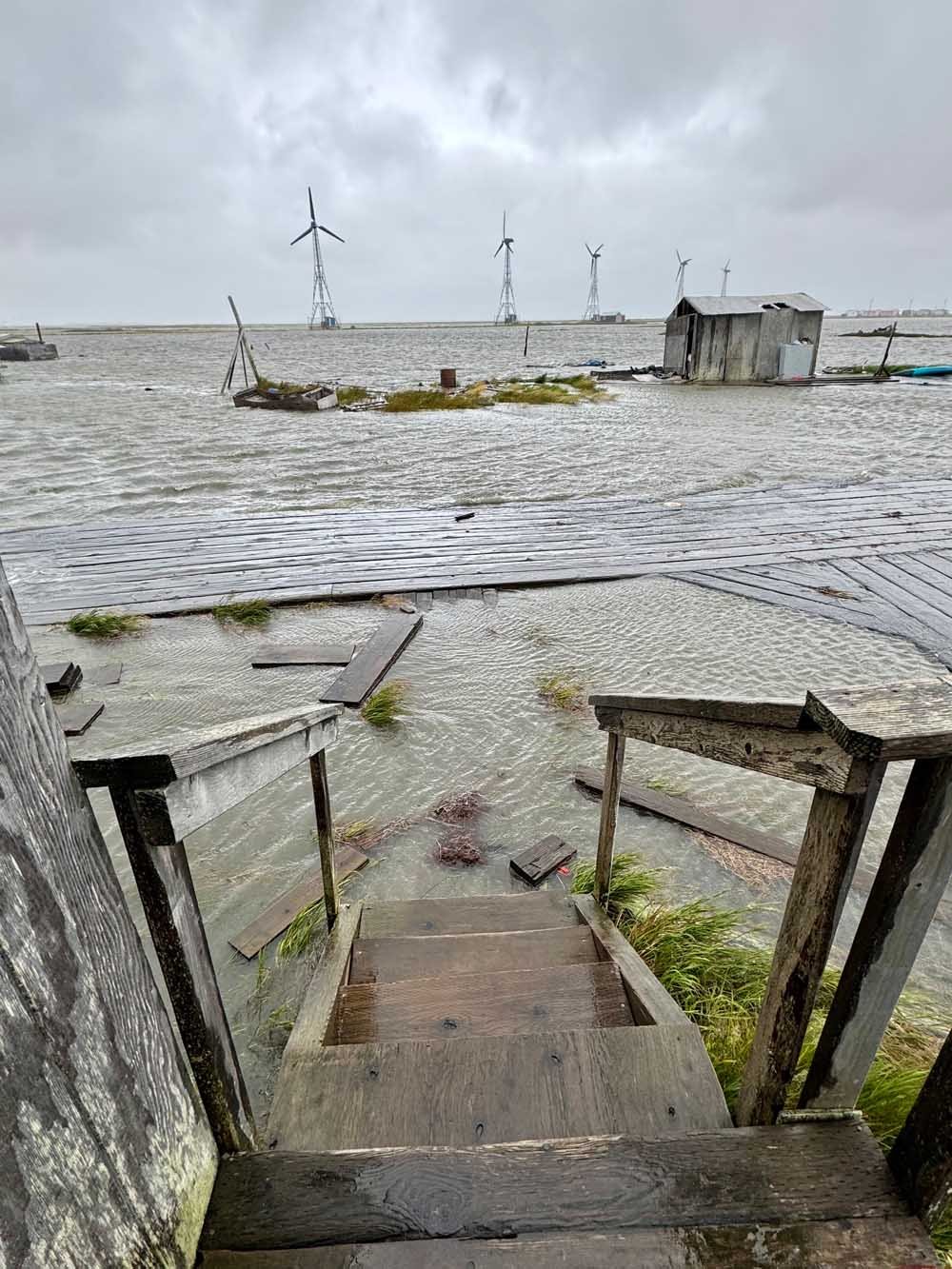
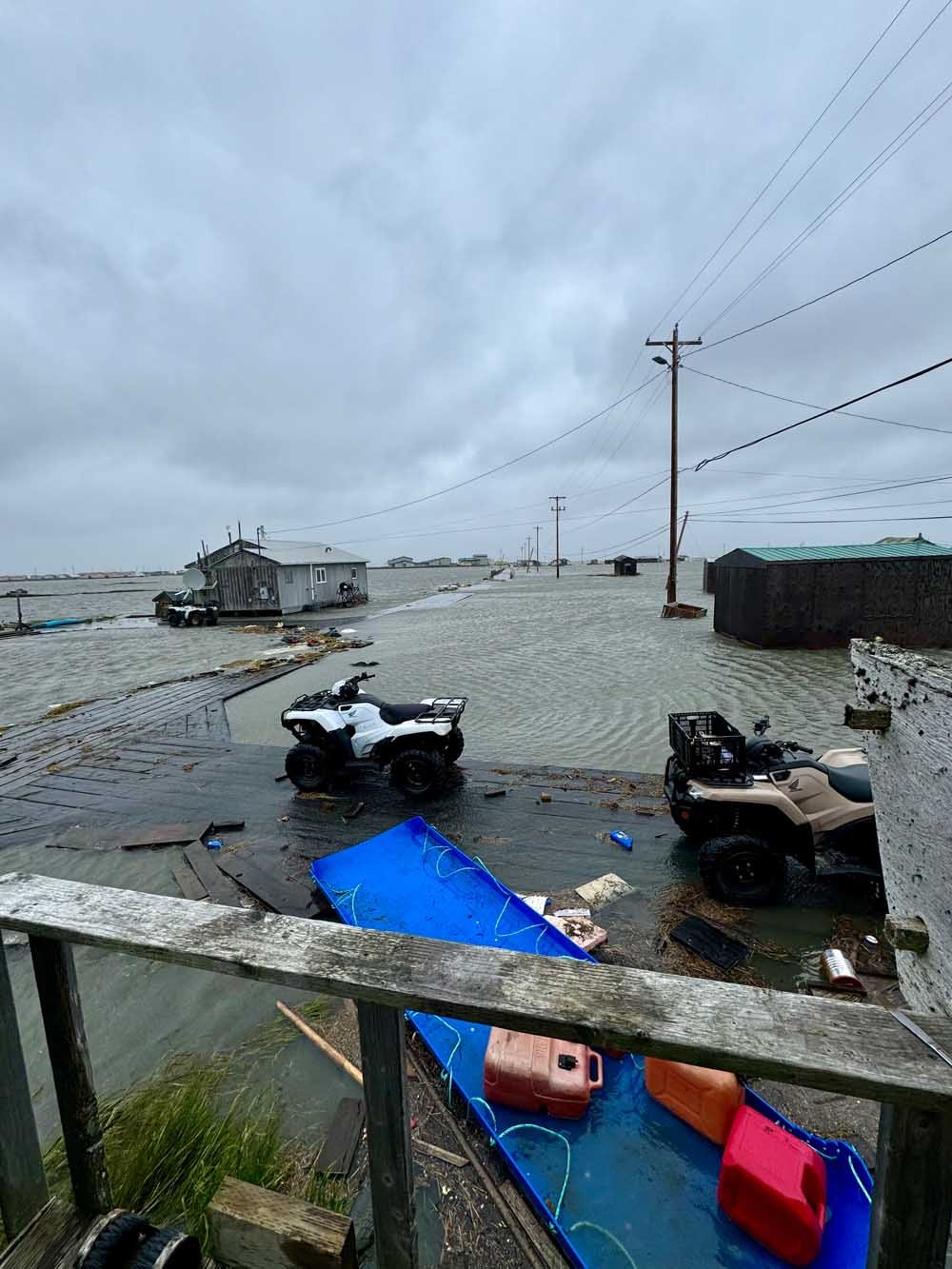
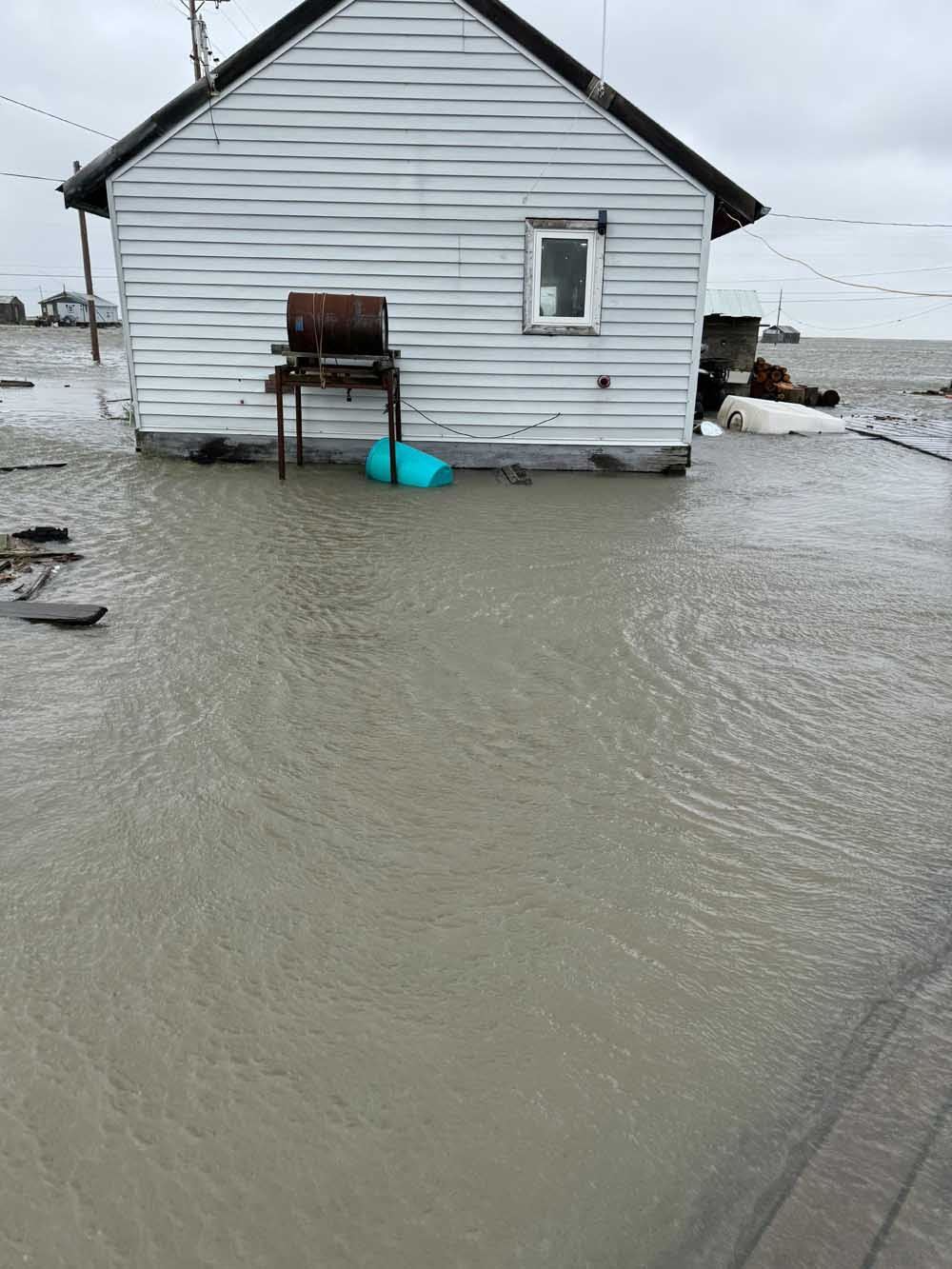
Kwigillingok is facing imminent threats as a result of the climate crisis. The ground under the village is sinking as the permafrost thaws. At the same time, the sea level is rising and the village is experiencing increased extreme weather events, continuous high-water flooding, and accelerated erosion.
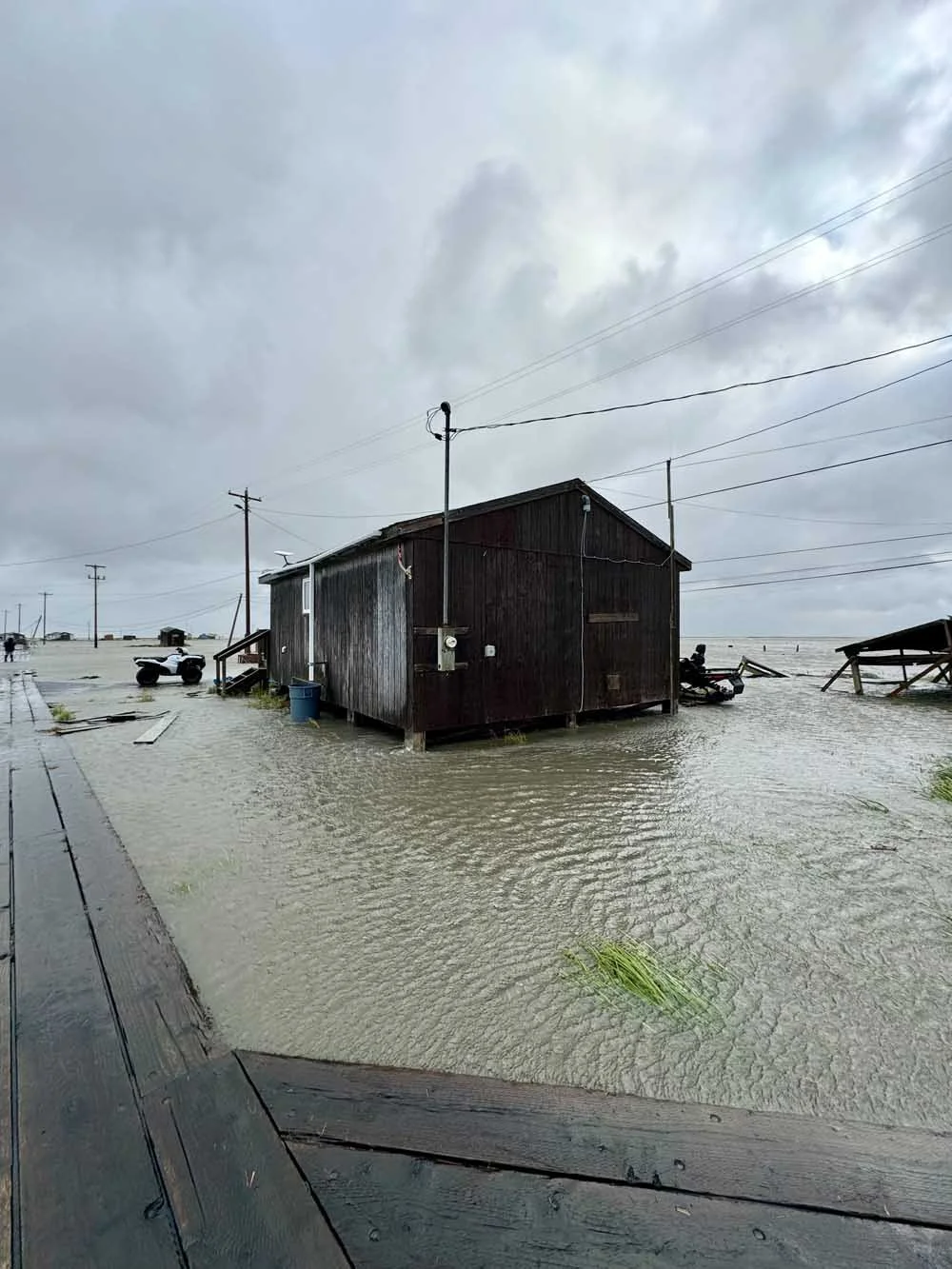
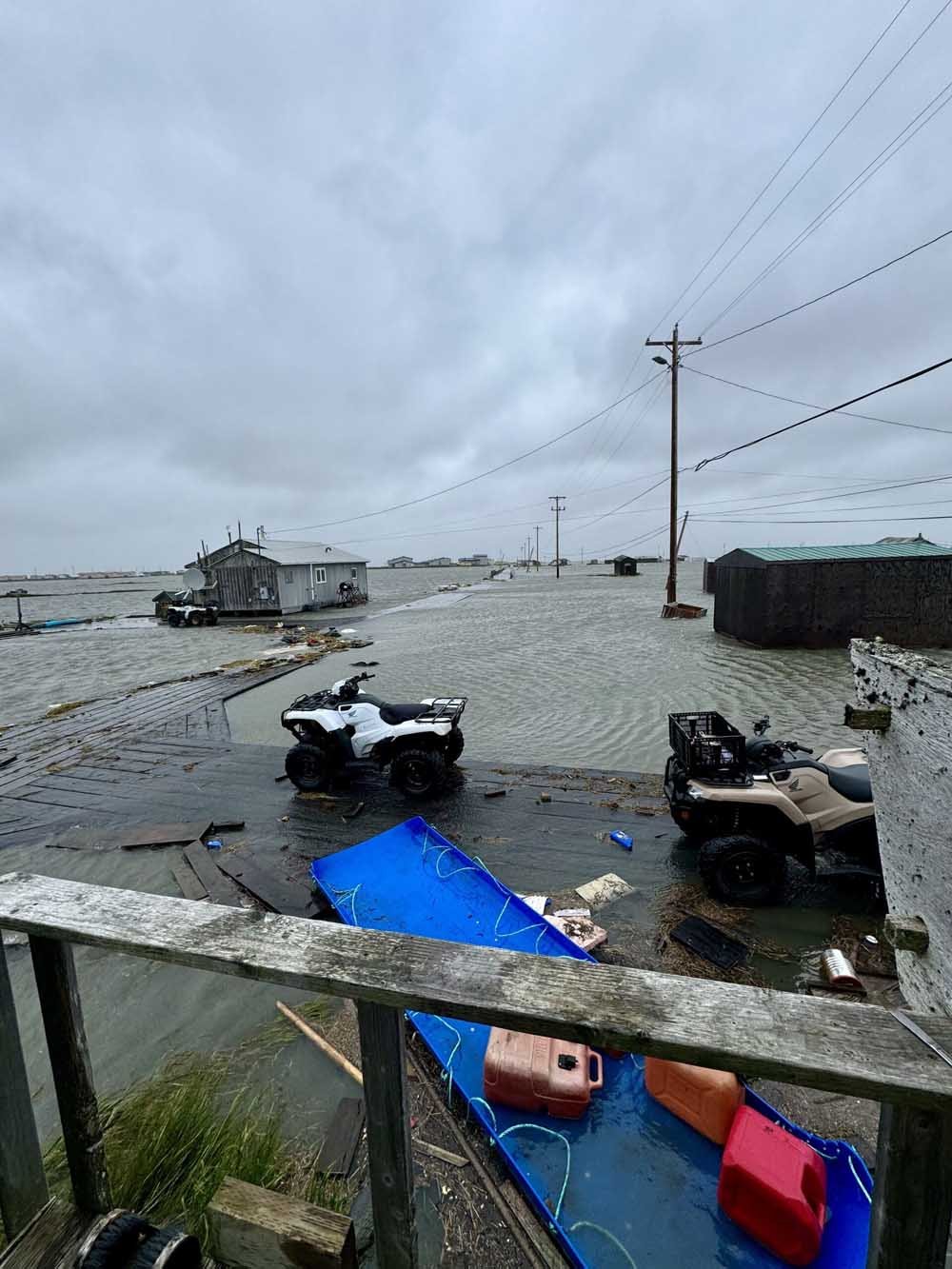
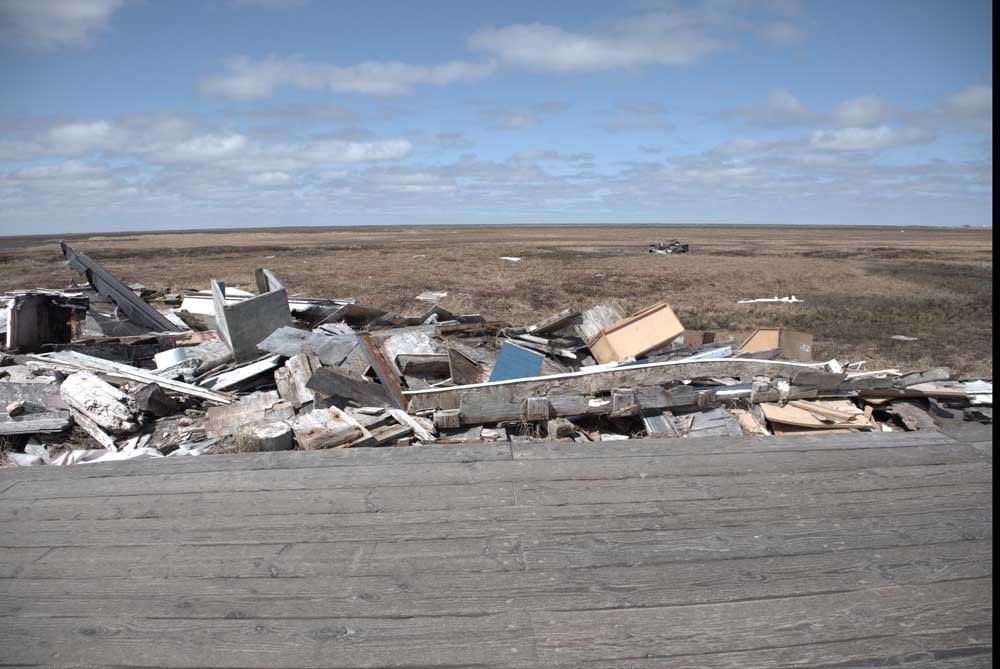
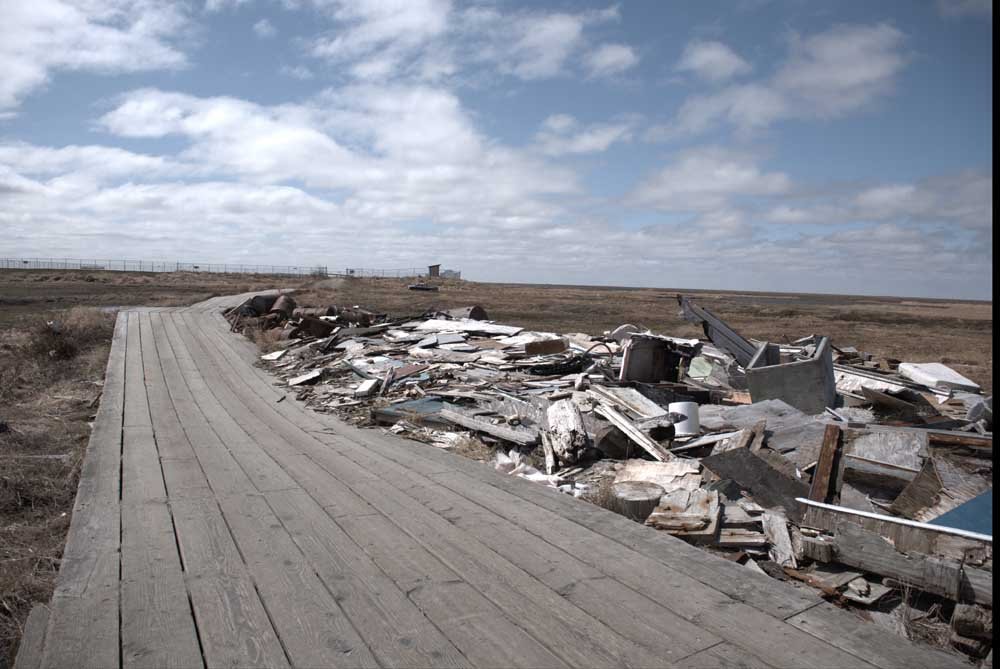
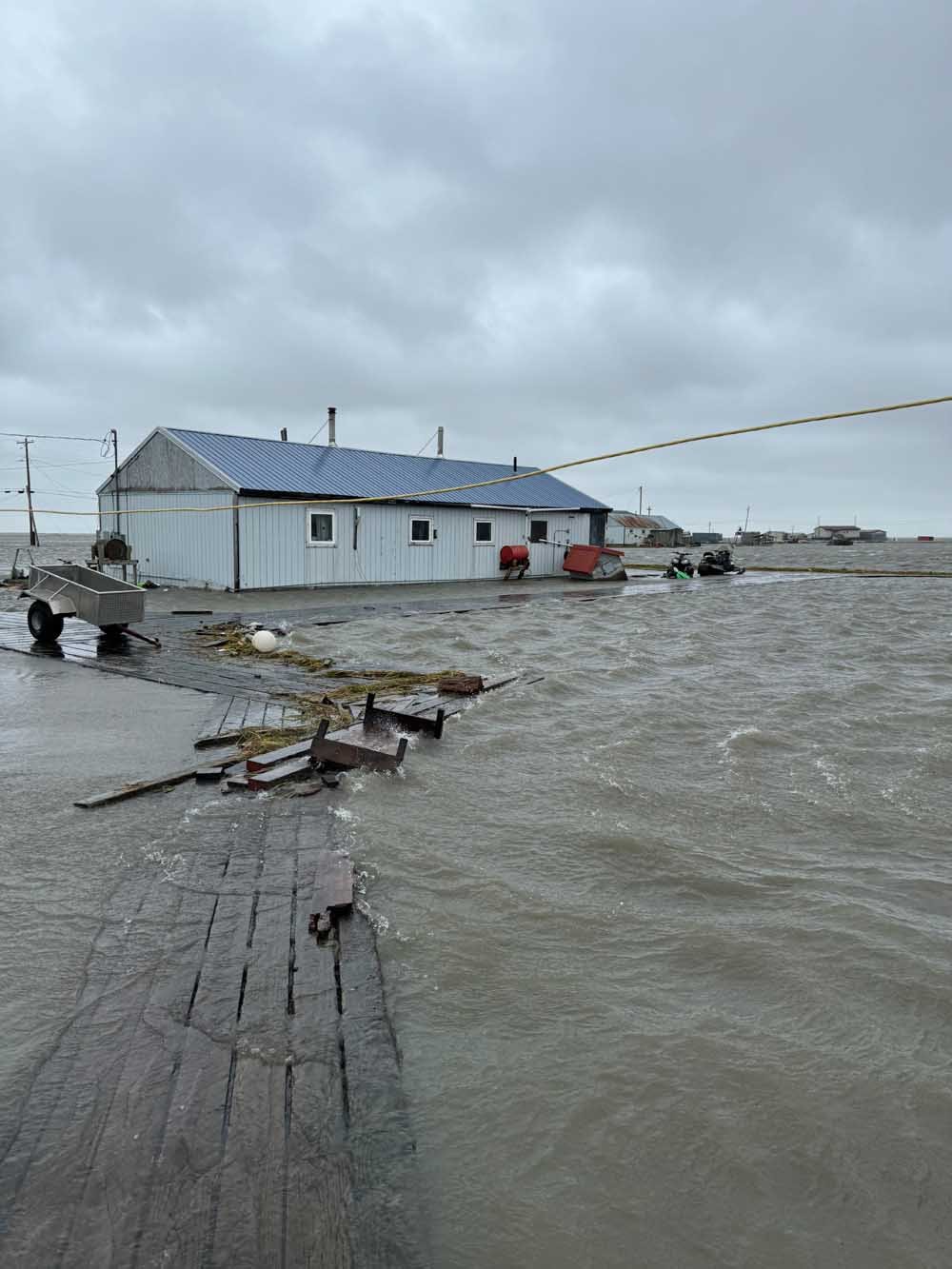
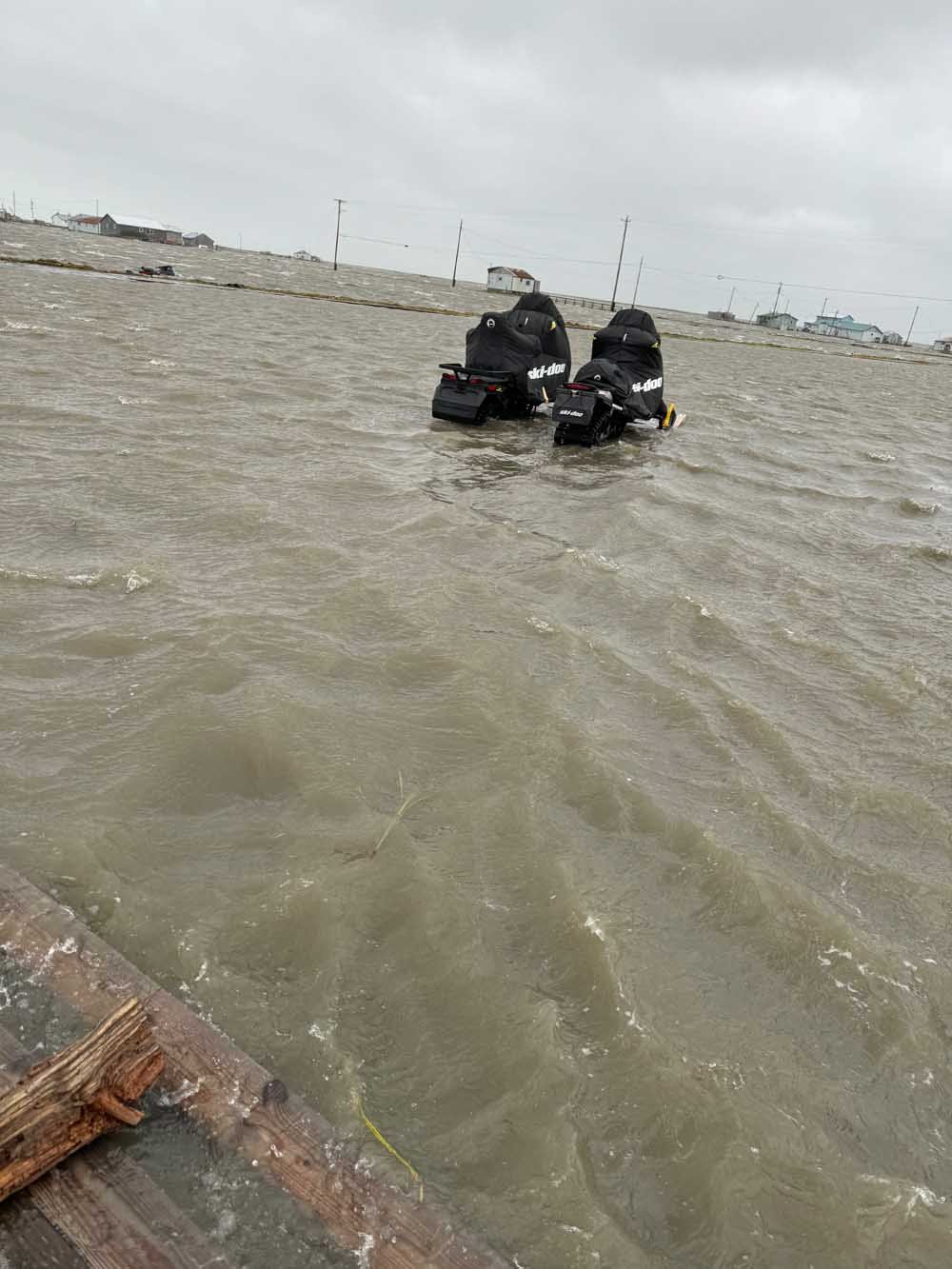
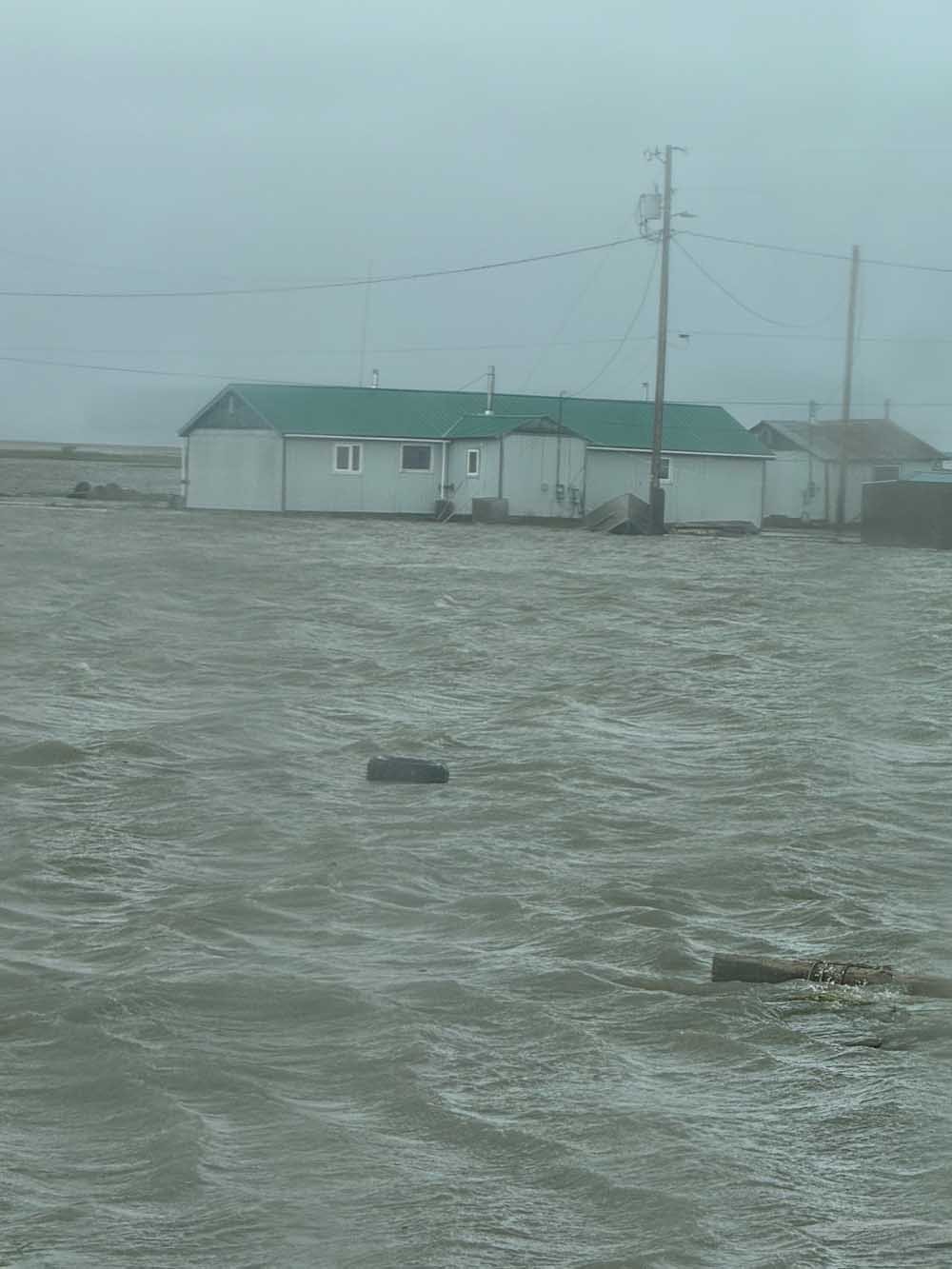
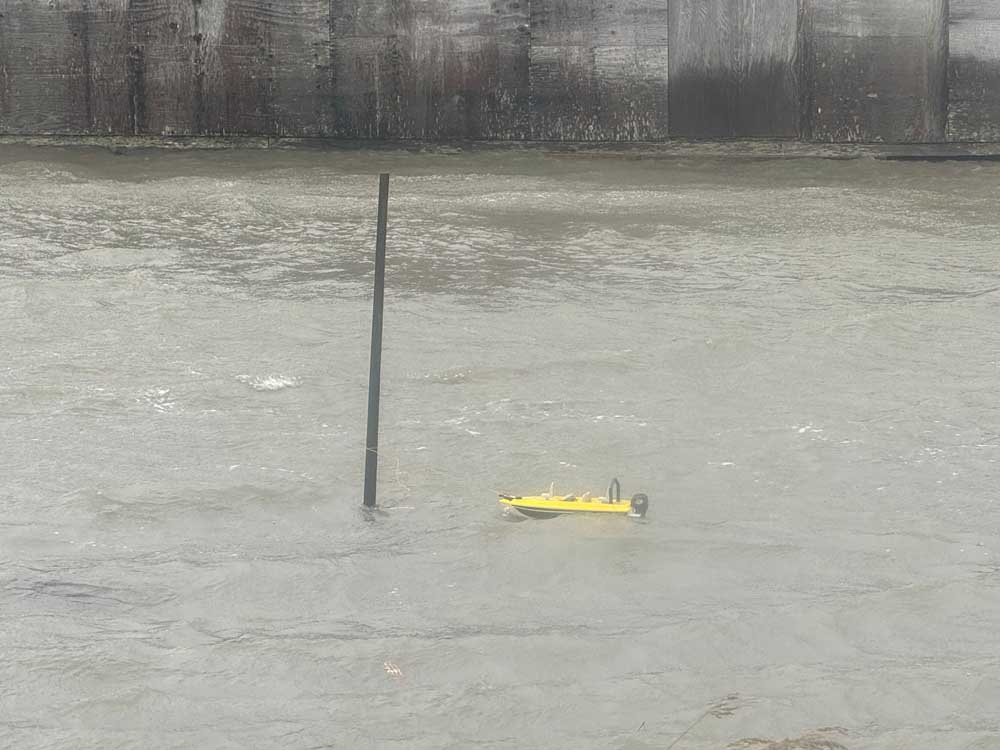
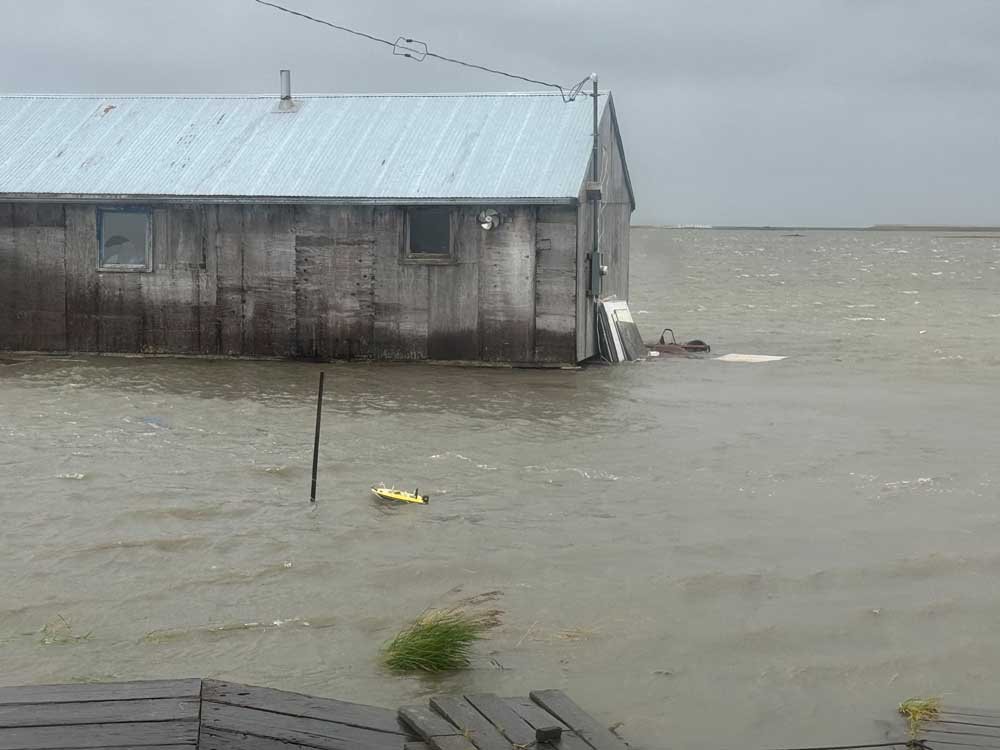
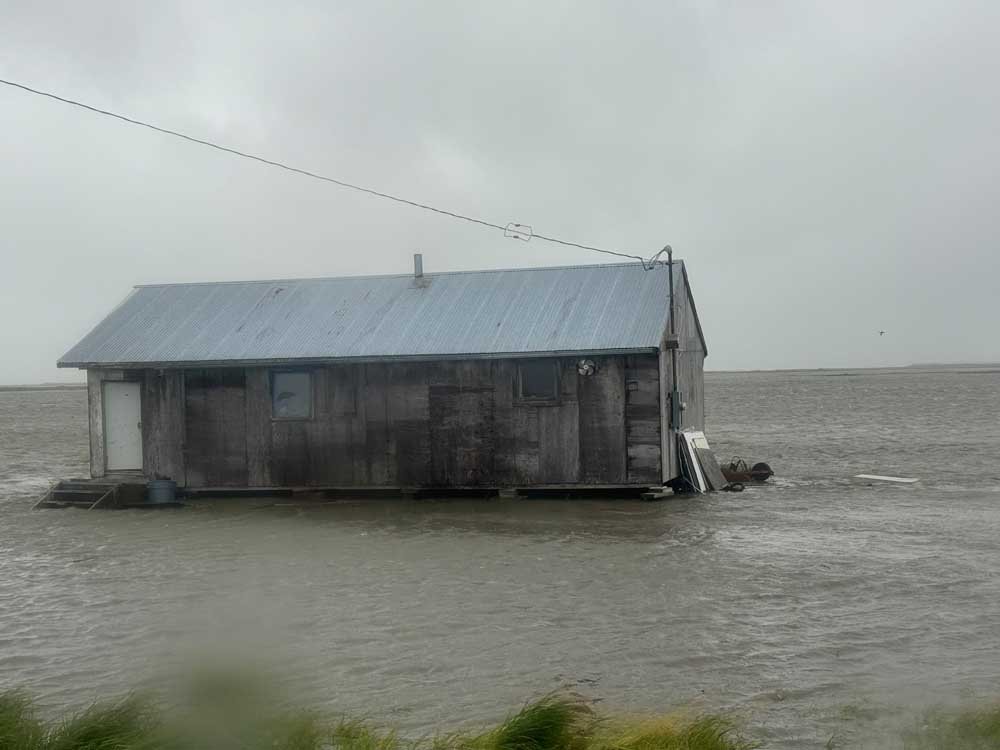
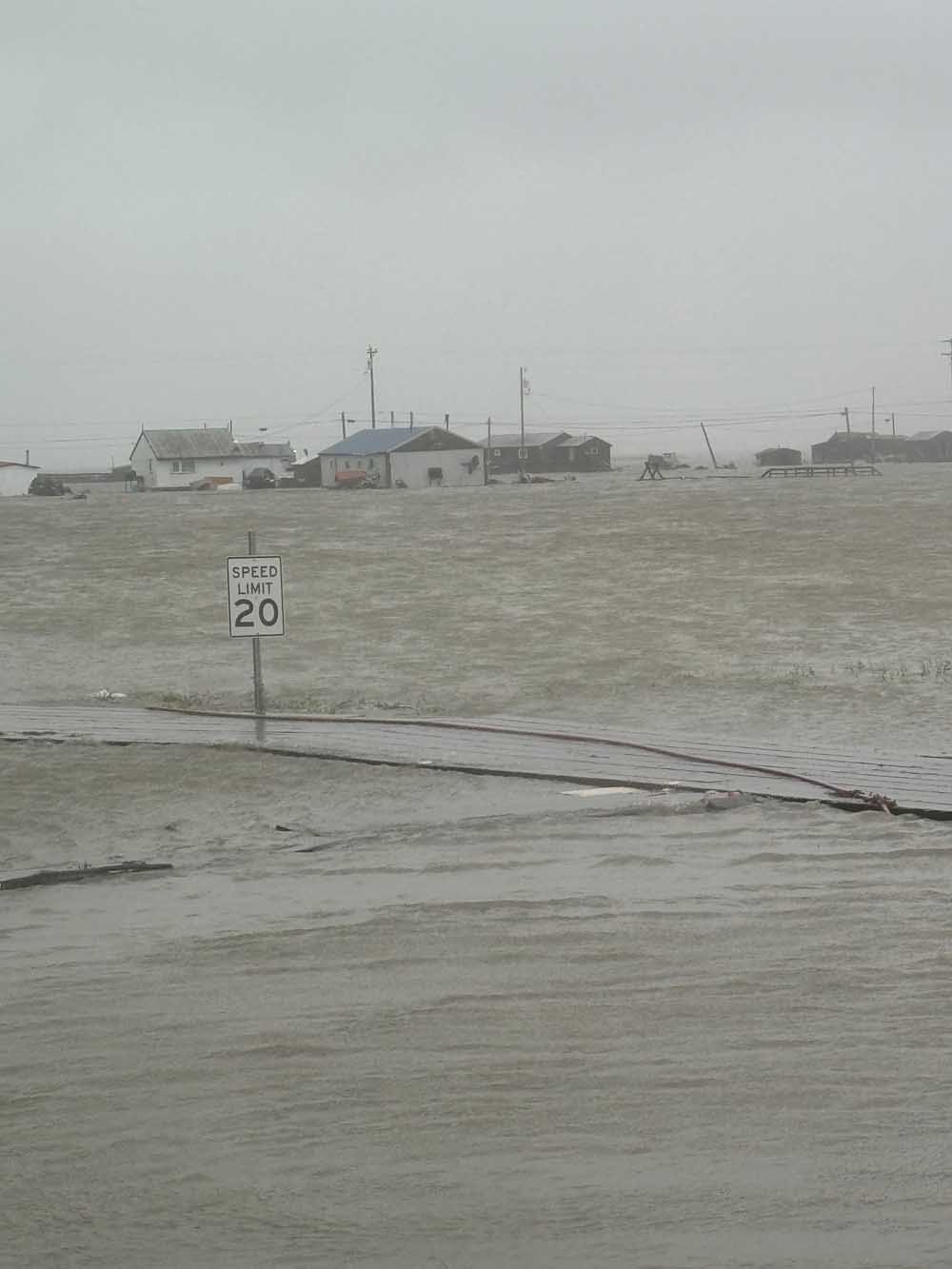
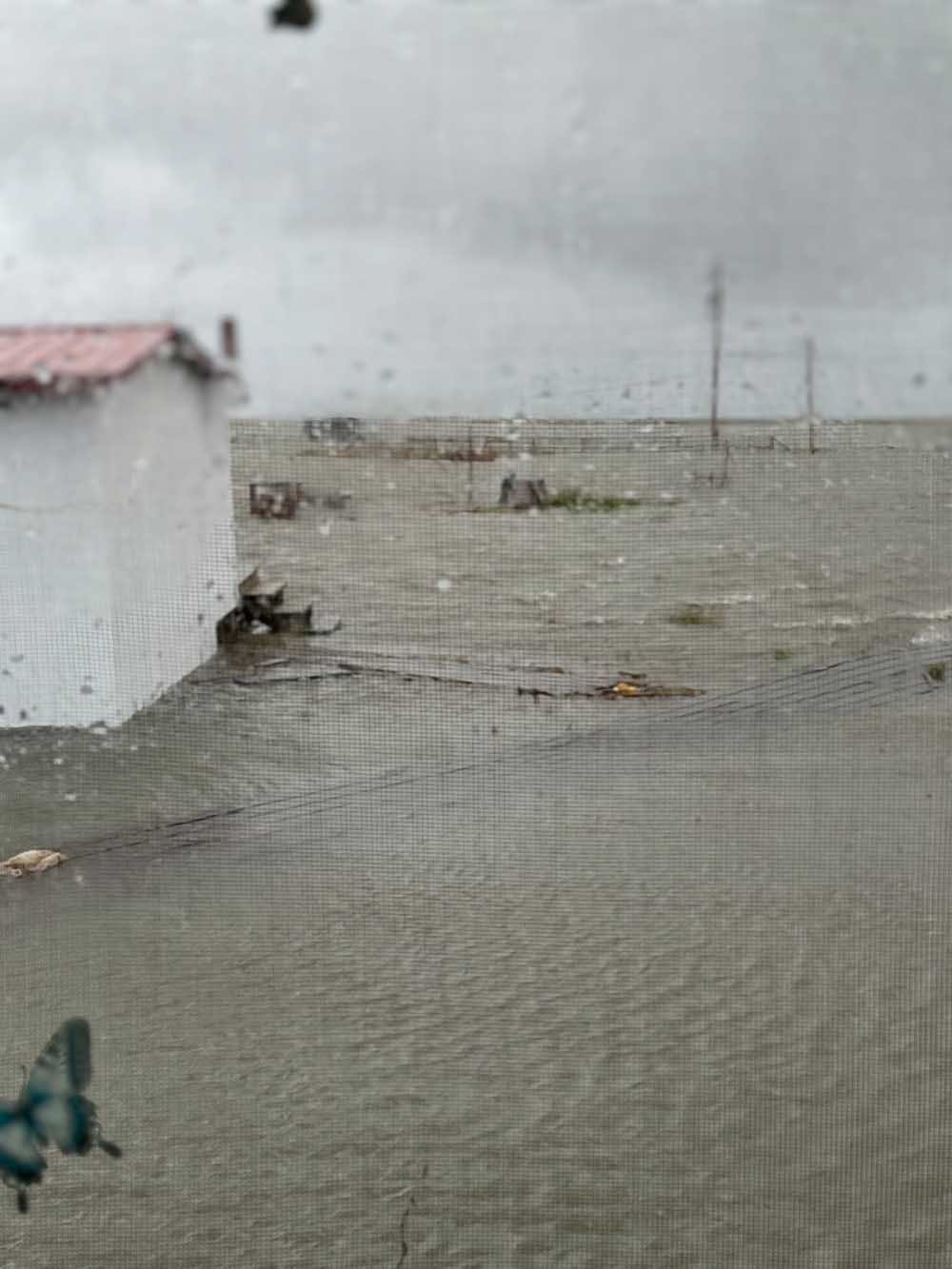
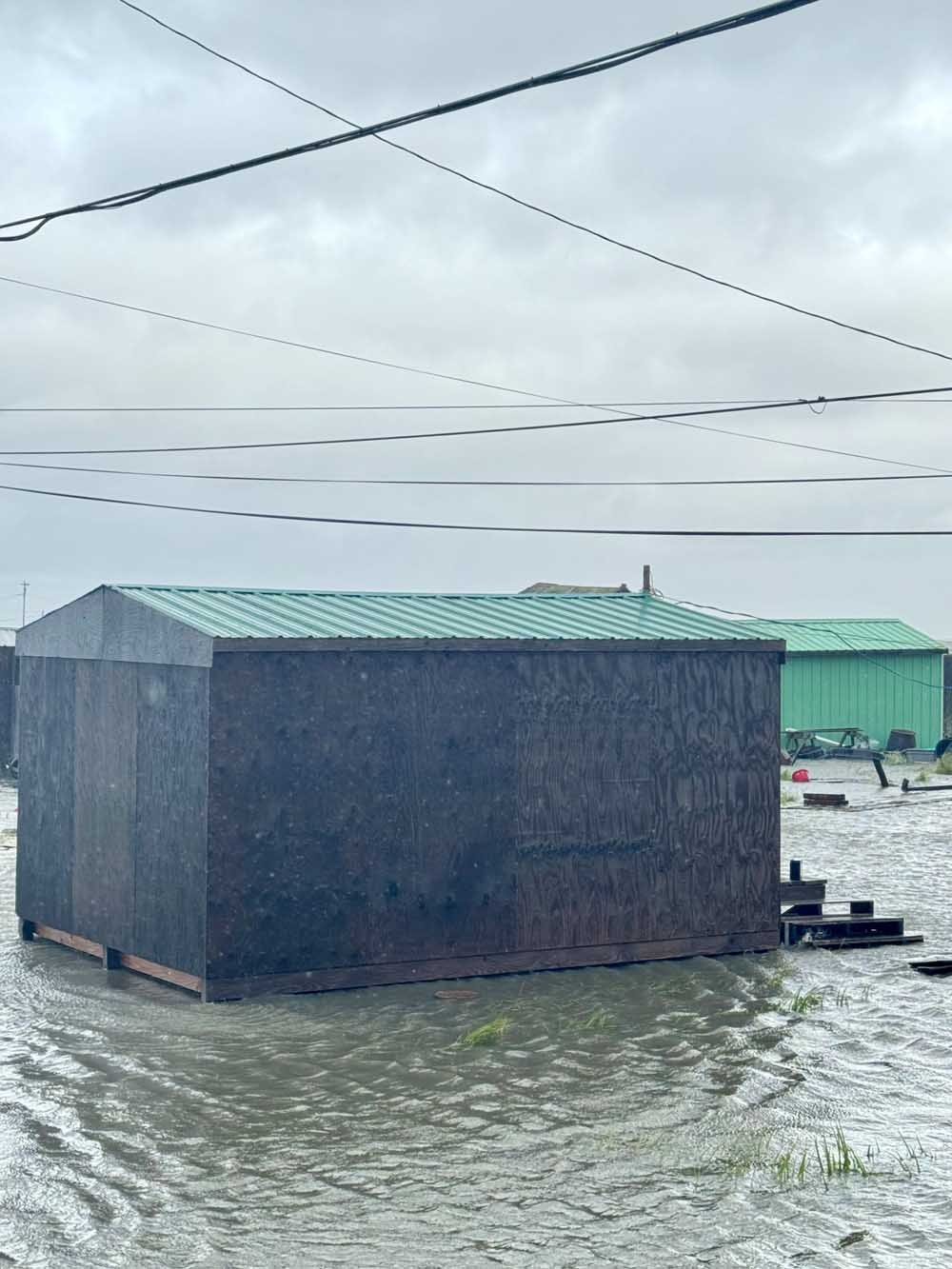
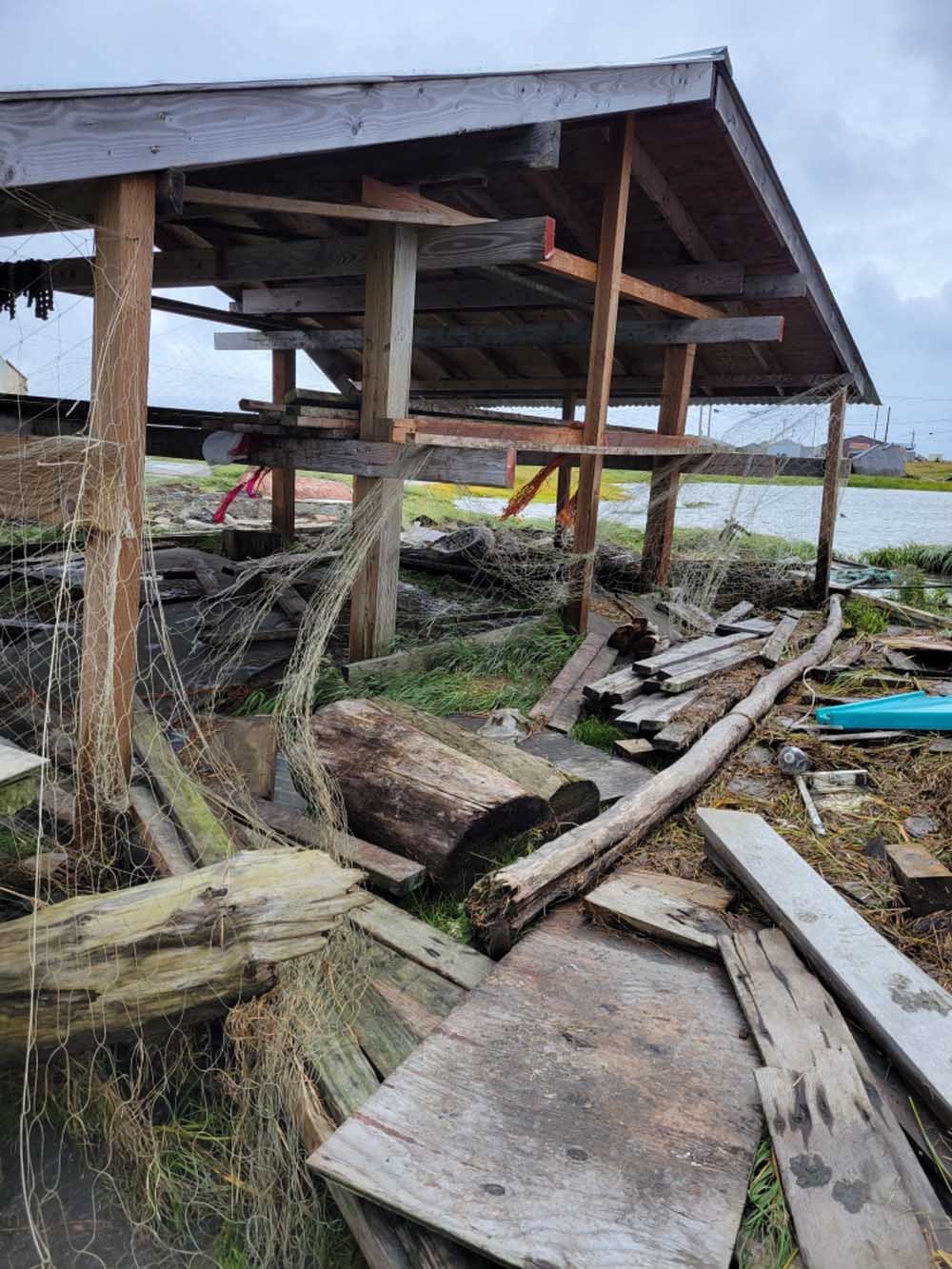
Kwigillingok has been hit by 3 federally declared disasters in just 37 months, with each one worse than the previous one. In September 2022, Typhoon Merbok caused flooding and wind damages to personal and public property, and cause extreme erosion in areas such as the barge landing and the airport. In August 2024, an extreme flood event caused extensive damages that prompted the Native Village of Kwigillingok to request and obtain a federal disaster declaration. In October 2025, Typhoon Halong hit Kwigillingok, bringing record breaking winds and flooding, and causing widespread devastation. Floodwaters exceeded six feet above mean higher high water, more than twice the previous record. More than 80% of village infrastructure, including homes, and personal and subsistence property, were either lost entirely, or destroyed beyond repair. Three lives were lost. The floodwaters caused widespread and extreme contamination of the lands, lakes, river, and ocean. The village was fully evacuated as a result of the widespread devastation and contamination, and the village remains evacuated many months later.
Prior to Halong, Kwigillingok made the difficult decision to relocate the entire community to higher ground, and had been working toward that goal. Now that Halong has devastated the village and forever changed the lands on which the village lies, Kwigillingok is seeking a pilot project that will allow relocation as the disaster recovery pathway.